
The hidden costs of moving are the charges and expenses that never show up in the first number you hear: extra labor time for stairs and long walks, heavy item charges, packing supplies, parking, cleaning, utility deposits and the days you take off work. Most of them are predictable, and nearly all of them can be planned for before moving day if you know where to look.
This guide covers the hidden moving costs people run into most often, why they happen, and how a detailed free quote keeps them from turning into surprises. If you’re planning local moving in Pittsburgh or anywhere in Washington County, the hills, stairs, tight streets and winter weather here deserve a spot on your list too.
Short answer: Hidden moving costs usually come from things that add time or special handling (stairs, long carries, heavy items, slow access), plus expenses outside the mover’s bill like supplies, deposits, cleaning and time off. A walkthrough based quote that lists every item and access issue is the best way to avoid them.
What Are the Hidden Costs of Moving?
Hidden moving costs fall into two groups. The first is anything that changes what your mover charges. The second is everything around the move that never appears on a moving bill at all.
| Hidden cost | Why it happens | How to plan for it |
|---|---|---|
| Extra labor time | Stairs, long walks, elevators, unready boxes | Describe access honestly and finish packing early |
| Heavy or specialty items | Pianos and gun safes need extra crew and equipment | List them when you ask for a quote |
| Packing supplies | Boxes, tape, wrap and mattress bags add up | Count rooms, not boxes, and buy once |
| Parking and access | Narrow streets, no truck space, building rules | Ask your building and plan where the truck goes |
| Cleaning and repairs | Lease or sale terms at the old home | Read your lease or sales agreement early |
| Utilities and setup | Deposits, connection and install fees | Call providers two to three weeks ahead |
| Time off and travel | Lost work days, meals out, overlapping rent | Pick your date with your calendar in mind |
Moving Company Charges That Catch People Off Guard
For a local move, most of what you pay a mover depends on time. At 1st Step Movers, local moves of 40 miles or less within Pennsylvania are billed by the hour in half hour increments under our Pennsylvania Public Utility Commission tariff. That means anything that slows the crew down affects the final bill.
Stairs and long carries
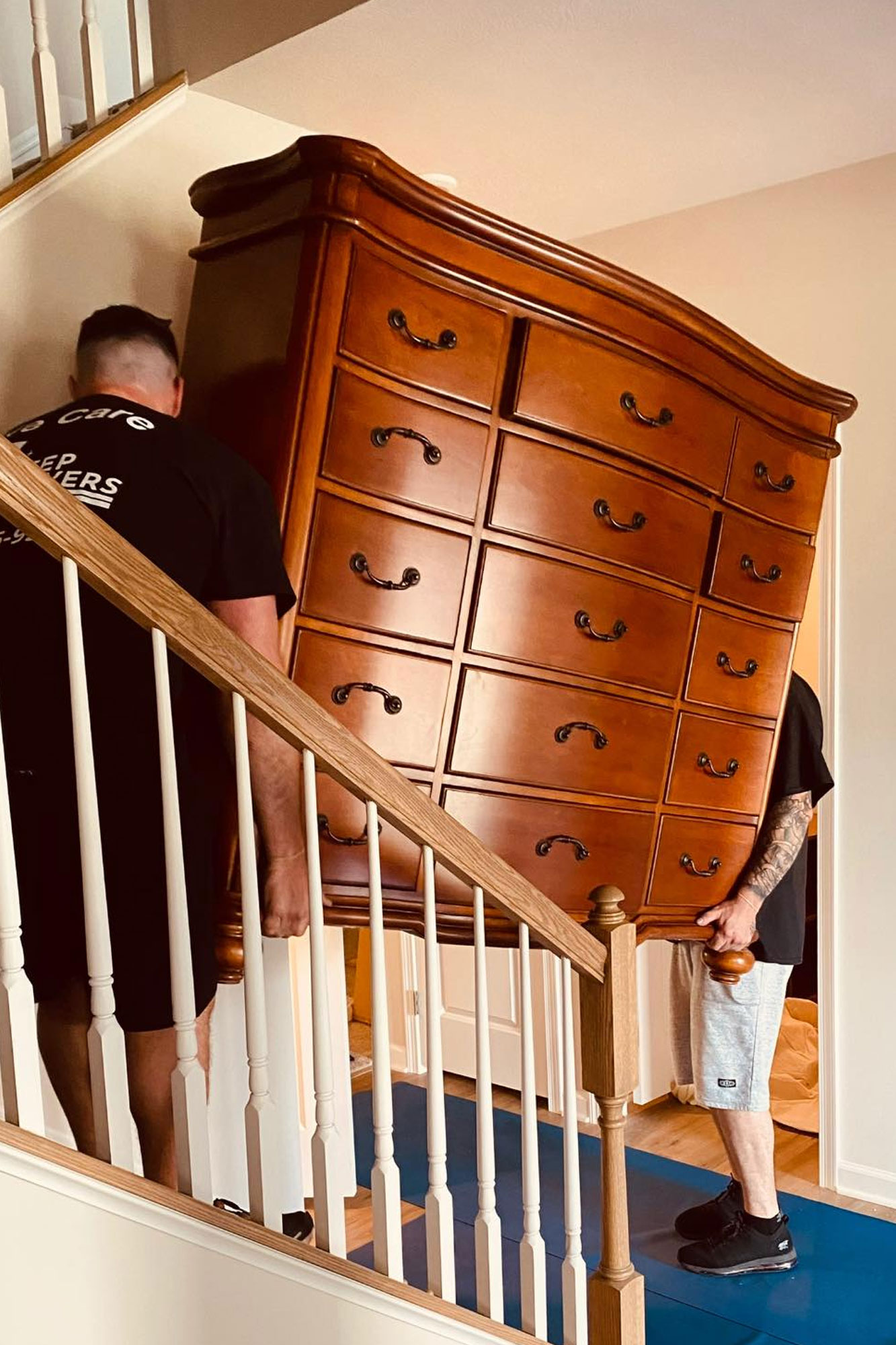
Every flight of stairs and every extra step between your door and the truck adds time. A third floor walkup, a split level home or a driveway the truck can’t pull into all change how long each trip takes.
Many Pittsburgh homes have steep front steps, narrow interior staircases and tight turns at the landing. Mention all of it when you ask for a quote so the estimate reflects your real home, not a ground floor ranch.
Two movers carry a wooden dresser up a staircase.
Heavy and specialty items
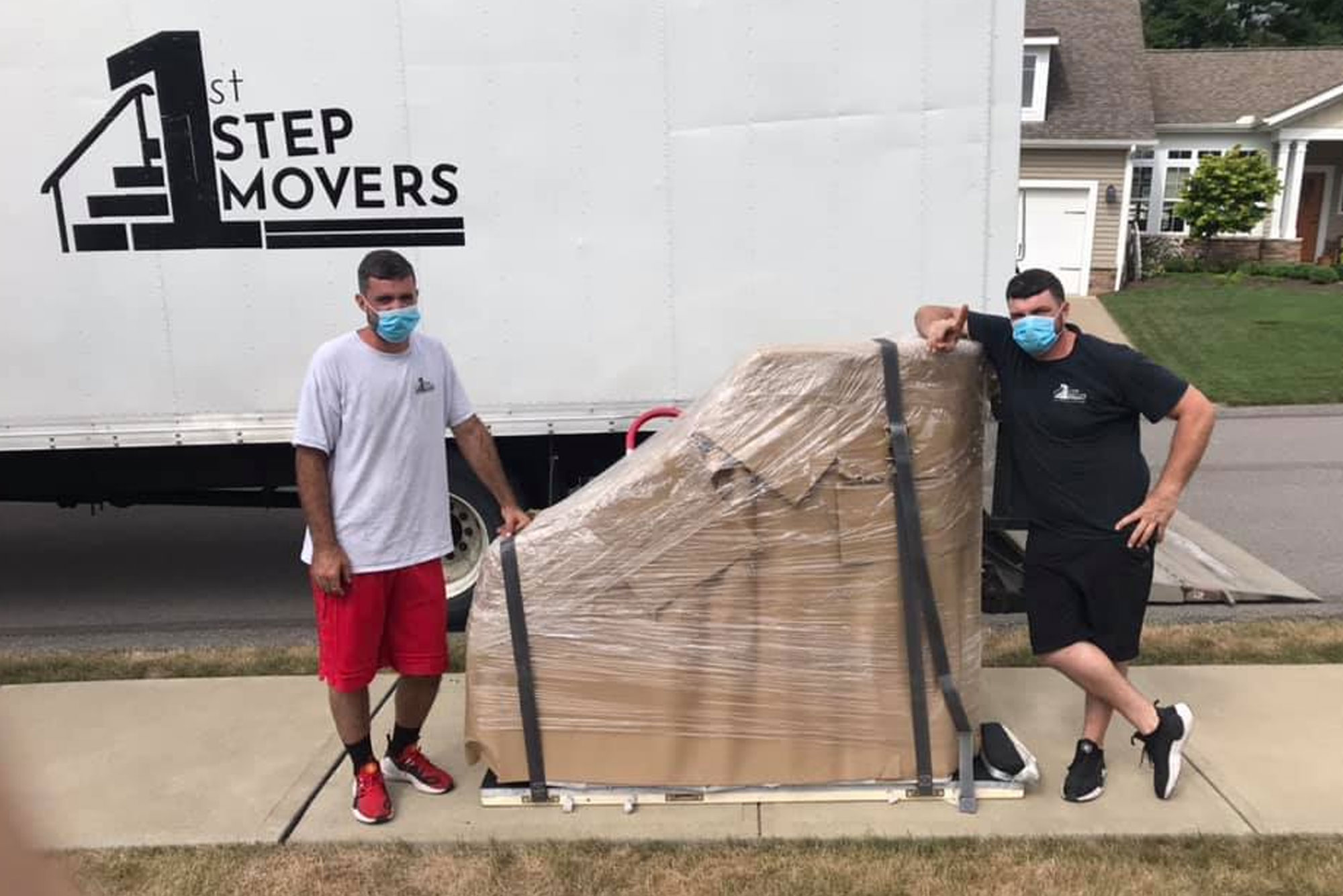
Pianos and gun safes are heavy, awkward and easy to damage, so they need extra planning. Under our tariff, they carry separate per item charges on top of the hourly rate.
The surprise only happens when the item isn’t mentioned until moving day. Tell us about it up front, including where it sits and how many steps are involved, and it goes right into your quote. Our piano moving page explains what to expect.
Two masked movers stand with a shrink wrapped piano beside a 1st Step truck.
Minimum charges and travel time
Very small moves can still hit a minimum. At 1st Step, the minimum is 3 hours, travel time included. If you only have a few items, ask how the minimum applies so you can decide whether to add anything else to the job.
Waiting and unready homes
When boxes aren’t packed, beds aren’t stripped or the new home isn’t ready, the crew waits, and on an hourly move the clock keeps running.
Disassembly and reassembly
Bed frames, sectional sofas, cribs, desks and some dining tables have to come apart to fit through doors and into the truck. That takes time on both ends of the move.
Point these pieces out during your quote. If you’d rather take some of them apart yourself, do it before the crew arrives and bag the hardware with each piece so nothing goes missing.
Hidden Costs Outside the Moving Bill
Some of the biggest surprises never touch your mover’s invoice.
Packing supplies
Boxes are only the start. Tape, markers, packing paper, bubble wrap, mattress bags, wardrobe boxes and dish packs add up quickly, and most people run out halfway through the kitchen. Count rooms and closets rather than guessing at a box total, and buy enough to finish in one trip.

Packing also costs time. If your schedule is packed, our packing services can cover the whole house or just the hard rooms, like the kitchen and fragile items. Ask what materials are part of the quote so you can compare it with buying supplies yourself.
Either way, the goal is the same: every box sealed and labeled before the truck arrives so loading moves quickly.
A mover in a 1st Step hoodie wraps furniture.
Cleaning, repairs and deposits
Renters may need to clean, patch nail holes and fix small damage to get a security deposit back. Sellers may owe a final cleaning or repairs under the sales agreement. Read your lease or contract early so these jobs don’t land on the same weekend as your move.
Utilities, internet and setup fees
New service often comes with deposits, connection fees or installation appointments. Some providers need a week or more to schedule an install. Call two to three weeks before moving day and line up start and stop dates so you aren’t paying for two homes at once.
Restocking and replacing
Movers generally won’t transport hazardous materials such as paint, propane, gasoline and many cleaning chemicals, so those get used up, given away or bought again. Add a first grocery run, cleaning supplies, shower curtains, light bulbs and window coverings to your budget. Ask us which items we can’t take when you book.
Time off, travel and overlap
Lost work days, meals out while the kitchen is packed, child or pet care, and overlapping rent or mortgage payments are real moving costs even though no one sends you an invoice for them. For long distance moves, add fuel, lodging and meals on the road.
Tipping
Tipping is optional, but many people like to thank a crew that worked hard. If you plan to, set the money aside in advance. See our guide on tipping movers in Pittsburgh for how people usually handle it.
Pittsburgh Factors That Add Time to a Move
Local geography changes the math. A move that would be simple on flat ground can take longer here, and knowing why helps you plan.
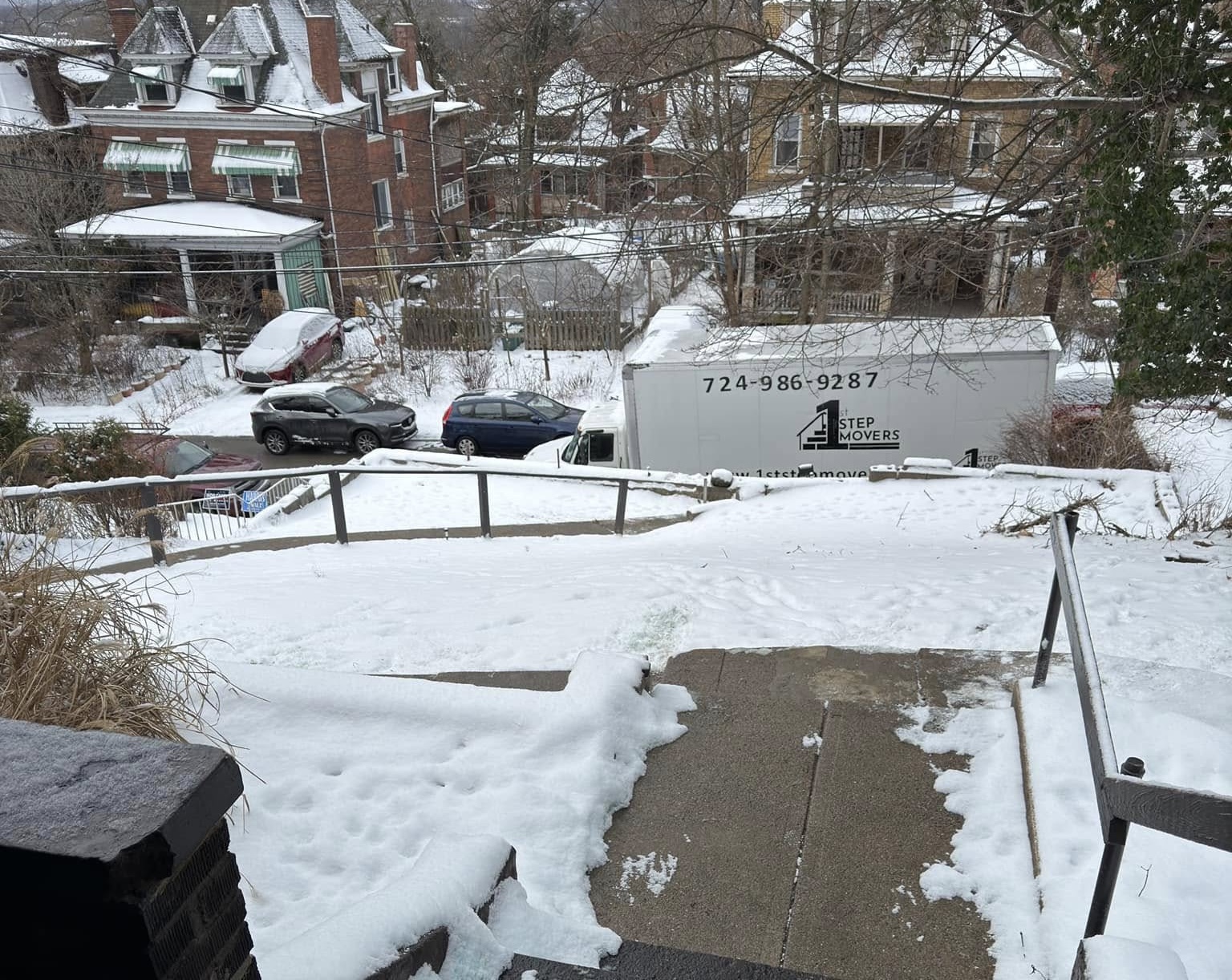
- Hills and steep driveways. Trucks may not be able to back up a steep or icy drive, which means a longer carry from the street.
- Narrow city streets. In older neighborhoods, there may be no room for a box truck near the door.
- Row houses and older homes. Tight stairways, low ceilings and narrow doors mean more wrapping, more careful turns and sometimes disassembly.
- Winter weather. Snow and ice mean salting walks and moving more carefully, which can slow loading.
A 1st Step truck parked on a snowy street in a hillside neighborhood.
Parking and building rules
If the truck can’t park close, the carry gets longer and the move takes more time. Some streets need a temporary no parking arrangement, and apartment buildings may require elevator reservations, set move hours or proof of insurance from the mover. Check with your city, borough or building manager before you book.
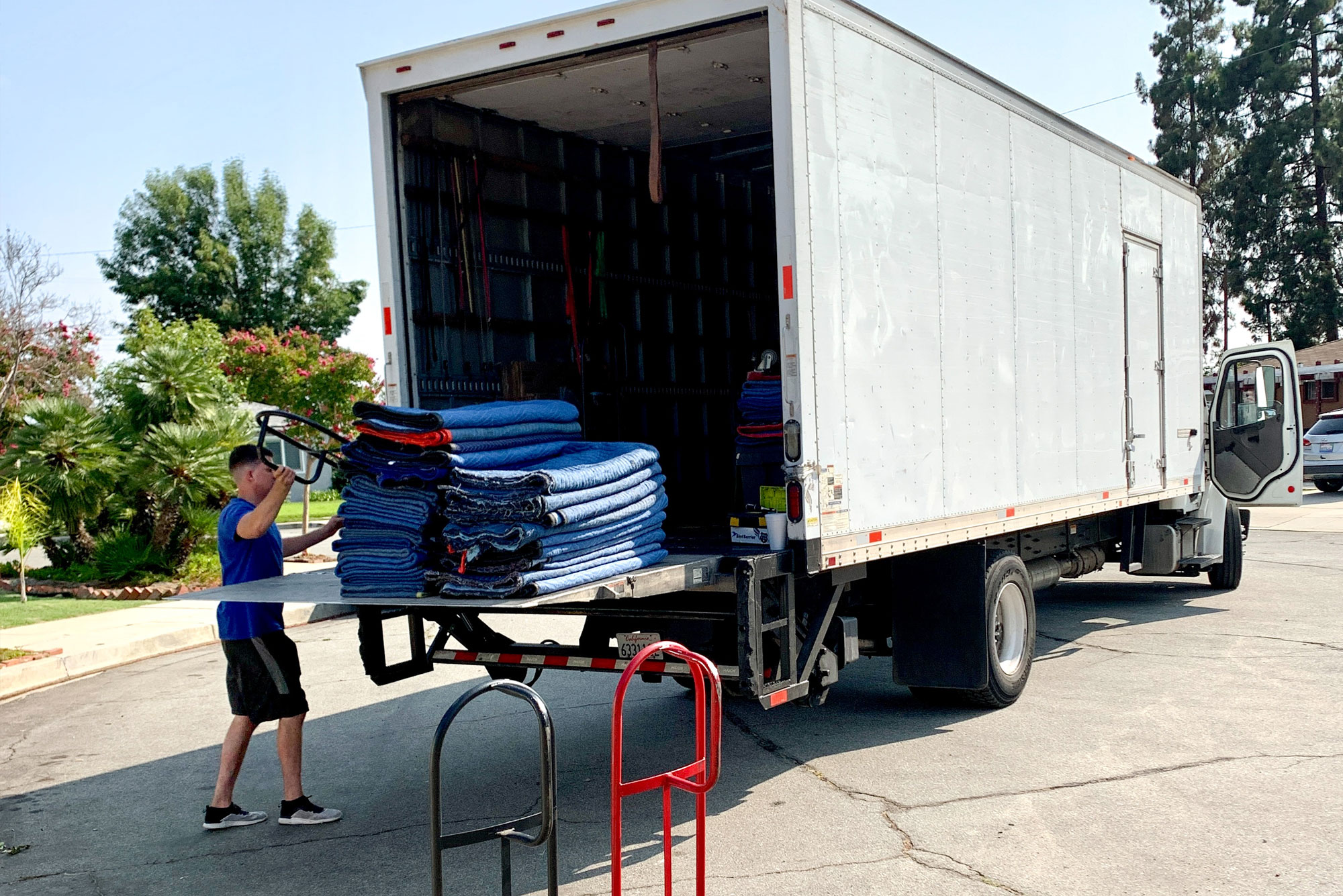
The fewer surprises at the curb, the faster the crew can work. Save a space for the truck, clear the path from the door to the street, and make sure walkways are shoveled and salted in winter.
Timing helps too. Weekday moves and quieter times of the month can mean easier parking and more scheduling flexibility. Our post on the cheapest day of the week to move covers how timing affects your options.
Movers unload a box truck with moving blankets and a hand truck on a residential street.
How to Avoid Hidden Moving Costs
The best protection against hidden moving fees is a quote that is built on the facts of your move.
- Get a free quote in writing. It should spell out how you’ll be charged, the minimum, and any per item charges for pianos or gun safes.
- Share every detail. List stairs, elevators, long walks, parking limits, heavy items and anything that needs disassembly at both homes.
- Ask what’s included. Find out whether blankets, wrapping, tools and travel time are part of the quote.
- Declutter first. Fewer things means less packing and loading. Sell, donate or use junk removal before moving day so you aren’t paying to move things you don’t want.
- Be ready on time. Finish packing, empty dressers if asked, and have keys and parking settled before the crew arrives.
- Check the mover’s credentials. Household goods movers working within Pennsylvania need a certificate from the PA PUC. For moves across state lines, check FMCSA registration at protectyourmove.gov, which also explains your rights for interstate moves.
Our guide on the cheapest way to move, DIY or hiring movers breaks down what to count on each side.
How to Build a Realistic Moving Budget
A good moving budget starts with your mover’s quote and then adds everything around it. Write down each line from the table above, add your own items such as overlapping rent or a lost work day, and keep a cushion for anything you couldn’t predict.
On taxes: for most people, moving expenses are not deductible on a federal return right now. Active duty military members moving under orders are the main exception. IRS Publication 3 covers the rules, and a tax professional can tell you how they apply to you.
Frequently Asked Questions
What are examples of moving expenses?
Moving expenses include the mover or truck, packing supplies, heavy item handling, parking arrangements, cleaning the old home, utility deposits and setup fees, restocking groceries and household basics, travel, and time off work. Overlapping rent or mortgage payments and temporary places to keep your things can also count when your dates don’t line up.
What is the best way to save money when moving?
Start early so nothing is rushed. Sell or donate what you won’t use, eat through the pantry and freezer, and collect sturdy boxes from friends or local stores. Use up cleaning products instead of moving them. Compare utility and internet plans at the new address before you sign, and keep receipts in one place so you can track what the move really cost.
What is the most expensive part of moving?
It depends on the household. Hiring movers or renting a truck is often the largest single moving bill, but housing costs such as deposits, overlapping rent or closing costs can be bigger. On the mover’s side, the biggest swings come from the size of the home, stairs and access, heavy items like pianos and safes, and how ready the home is on moving day.
Will my final bill match my moving quote?
On an hourly local move, the quote is an estimate and the final bill reflects the actual time the job takes. It stays close when the details you gave were accurate. It can change if items are added, access is harder than described, or the crew has to wait. If plans change before moving day, call us so the quote can be updated.
Want a moving quote without surprises? Request a free quote from 1st Step Movers and tell us about your stairs, heavy items and parking so the number fits your real move.