
The best way to declutter before moving is to start several weeks early, work one room at a time, and sort every item into keep, donate, sell or trash before you pack a single box. Begin with the easy, low emotion spaces like the garage, pantry and linen closet, and save photos and keepsakes for last.
Clearing things out first means fewer boxes to pack, less to load on moving day and a cleaner start in your new home. This guide covers what to throw out, a simple timeline, how to handle sentimental items and how to get rid of what you don’t keep, including junk removal in Pittsburgh for the bulky things you can’t haul yourself.
Short answer: Give yourself four to eight weeks, go room by room, and decide on each item once: keep, donate, sell or trash. Get anything you’re not keeping out of the house before packing starts.
Why Declutter Before You Pack?
Every item you keep has to be wrapped, boxed, carried, loaded and unpacked again. Sorting first means you only handle the things you actually want.
- Less to pack: fewer boxes, less tape and fewer late nights before the move.
- A faster moving day: on a local move billed by the hour, a smaller load usually means less time loading and unloading.
- A better fit in the new place: you aren’t squeezing old clutter into closets you haven’t seen yet.
- Easier unpacking: every box that comes off the truck holds something you chose to keep.
It also gives you a clear picture of what’s left, which makes it easier to get an accurate moving quote.
How to Declutter Before Moving, Step by Step
Good decluttering comes down to three habits: plan ahead, finish one space before starting the next, and make the easy decisions first. Here’s how to put that into practice.
1. Measure the new home first
Before you sort a single drawer, get the room sizes or a floor plan of your new home. Knowing that the new living room is smaller, or that the bedroom has one closet instead of two, turns a lot of emotional choices into practical ones. If the sectional won’t fit, the decision is already made.
2. Set up four categories
Give every item one of four outcomes and stick to it. Avoid a “maybe” pile, since it usually just moves the decision to moving week.
| Category | What goes in it | Quick test |
|---|---|---|
| Keep | Things you use regularly that fit the new space | Would you buy it again today? |
| Donate | Clean, working clothes, dishes, linens and small furniture | Could someone else use it tomorrow? |
| Sell | Quality furniture, collectibles and electronics in good shape | Is it worth the time to list and meet a buyer? |
| Trash or recycle | Broken, stained, expired or missing parts | Would you be embarrassed to give it away? |

Once an area is sorted, pack the keep items right away and label each box with the room it belongs in. That way sorted rooms stay sorted.
Move the donate and sell piles out of the way, ideally to one staging spot near the door or in the garage. Bag trash and recycling as you go so it doesn’t spread back into the rooms you’ve already finished.
A mover carrying a stack of moving boxes.
3. Start with the easy rooms
Begin in spaces with few emotional ties: the garage, basement, pantry, bathroom cabinets and linen closet. Quick wins build momentum, and by the time you reach bedrooms and family photos you’ll be faster at making decisions.
4. Work in short sessions
Set a timer for 20 to 30 minutes and clear one zone, like a single shelf or drawer. Short sessions keep you from burning out, and they fit around work and school. Simple systems like the 10 10 10 rule help too: find 10 things to throw away, 10 to donate and 10 to put back where they belong.
What to Throw Out Before a Move, Room by Room
If you forgot you owned it, you probably won’t miss it. Use this list as a starting point.
| Room | Items to toss, donate or sell |
|---|---|
| Kitchen | Expired pantry food, chipped dishes, containers without lids, duplicate utensils, gadgets you never use |
| Bathroom | Expired medications, old toiletries, nearly empty bottles, worn towels |
| Bedrooms | Clothes you haven’t worn in a year, worn out shoes, flat pillows, stained sheets |
| Kids’ rooms | Outgrown clothes, broken toys, games with missing pieces |
| Home office | Old paperwork you don’t need to keep, dead electronics, tangled cords and chargers |
| Garage and basement | Old paint, unused sports gear, broken tools, holiday decorations you never put out |
Big furniture deserves a hard look, because it takes the most effort to move. Ask whether it fits the new rooms and whether you’d bring it along if you were carrying it yourself.
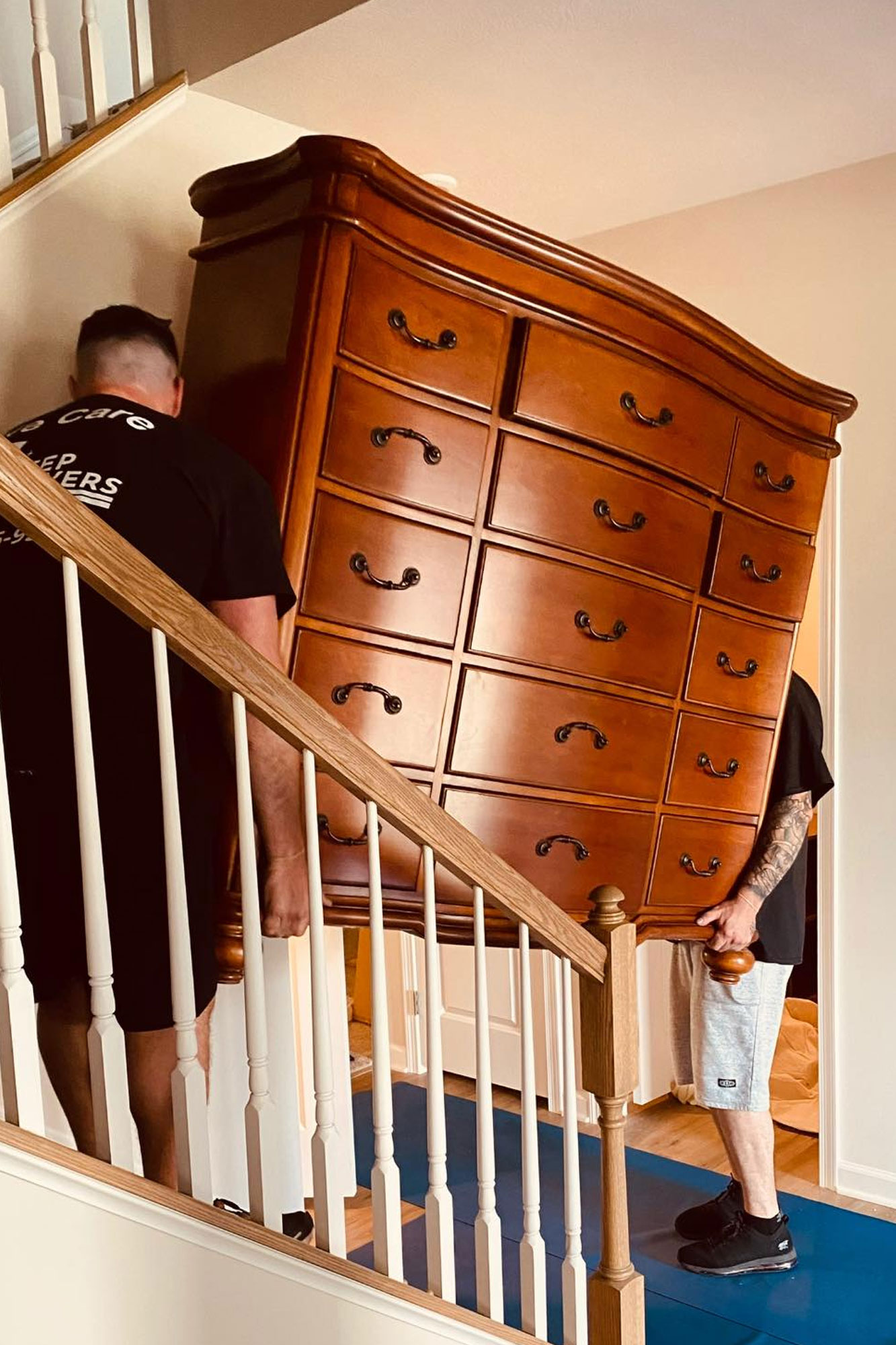
That question matters in many Pittsburgh area homes, where steep, narrow staircases and tight turns make large pieces slow to carry. Measure doorways and stairwells at the new place before you decide to keep an oversized dresser, sleeper sofa or entertainment center. If it stays, our furniture movers can take it apart and wrap it for the trip.
Two movers carrying a wooden dresser up a staircase.
Items Movers Can’t Take
Some things shouldn’t go on a moving truck at all, so deal with them during your declutter. Use them up, give them away or dispose of them properly:
- Paint, solvents, pool chemicals and other flammable or corrosive liquids
- Propane tanks, gasoline and other fuels
- Aerosol cans and cleaning chemicals
- Perishable and open food
Many of these count as household hazardous waste, and the EPA’s household hazardous waste guide explains why they shouldn’t go in regular trash. Check your county for collection events. For the full list, see our post on household items movers won’t transport.
How to Handle Sentimental Items
Sentimental things are the hardest part, so leave them for last, once you’ve built up some momentum. A few approaches make it easier:
- Keep the best, not all: one favorite piece of a set or a single framed photo often honors a memory better than a sealed box.
- Ask family first: before donating heirlooms, give relatives a chance to claim them.
- Photograph or scan: kids’ artwork, cards and letters take up far less space as digital files.
- Use it, store it or honor it: if an item won’t be used or displayed in the new home, ask whether keeping it really serves the memory.
If you’re helping a parent downsize from a longtime family home, allow extra time. Two to three months is a realistic window for sorting decades of belongings without rushing anyone.
A Decluttering Timeline for Your Move
Sort and pack on a set schedule so nothing piles up in the last week. Our guide on how long before moving you should start packing goes deeper on the packing side.
- Eight weeks out: measure the new home and start in the garage, basement and attic.
- Six weeks out: sort closets, the linen closet and kitchen cabinets you rarely use. List items for sale.
- Four weeks out: tackle bedrooms and sentimental items. Book donation drop offs and haul away for bulky pieces.
- Two weeks out: clear the pantry and fridge, finish the last donation run and set up mail forwarding with USPS.
- Moving week: pack an open first box with medications, chargers, toiletries, a change of clothes and important documents.
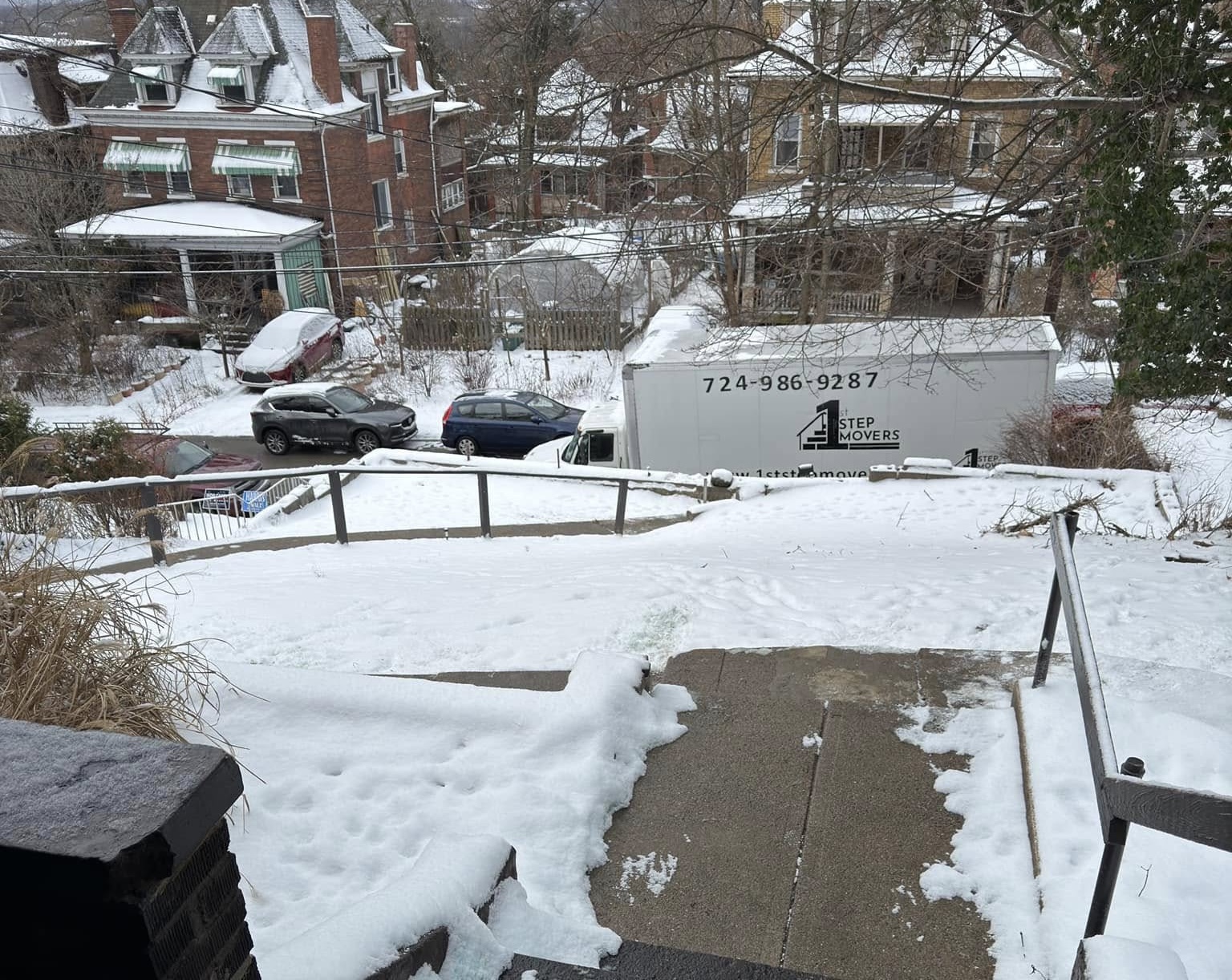
Western Pennsylvania weather can affect your plans. Donation drop offs, yard sales and curbside pickups are harder when streets are snowy and daylight is short.
If you’re moving in winter, finish the bulky clearing early in the season. Hilly streets, steep driveways and tight city parking also make it harder to get large items to the curb, so plan where haul away pieces will wait before pickup day.
A 1st Step truck parked on a snowy street in a hillside neighborhood.
What to Do With the Things You Don’t Keep
Donate
Local charities and thrift stores accept clean, working clothing, housewares and many furniture pieces. Call ahead, since each one has its own rules on mattresses, upholstered furniture and electronics, and some offer home pickup.
Sell
Online marketplaces and yard sales work well for quality furniture and collectibles. Give sales a deadline. Anything unsold by two weeks out goes to the donate pile.
Recycle and dispose
Take old electronics to an electronics recycling program rather than the trash, and handle chemicals through household hazardous waste collection.
Haul away the rest
Old couches, broken appliances and basement leftovers are often too heavy or awkward to take anywhere yourself. Our junk removal crews can carry them out so they don’t end up on the truck. Before you book any haul away, it helps to know what items junk removal companies won’t take.
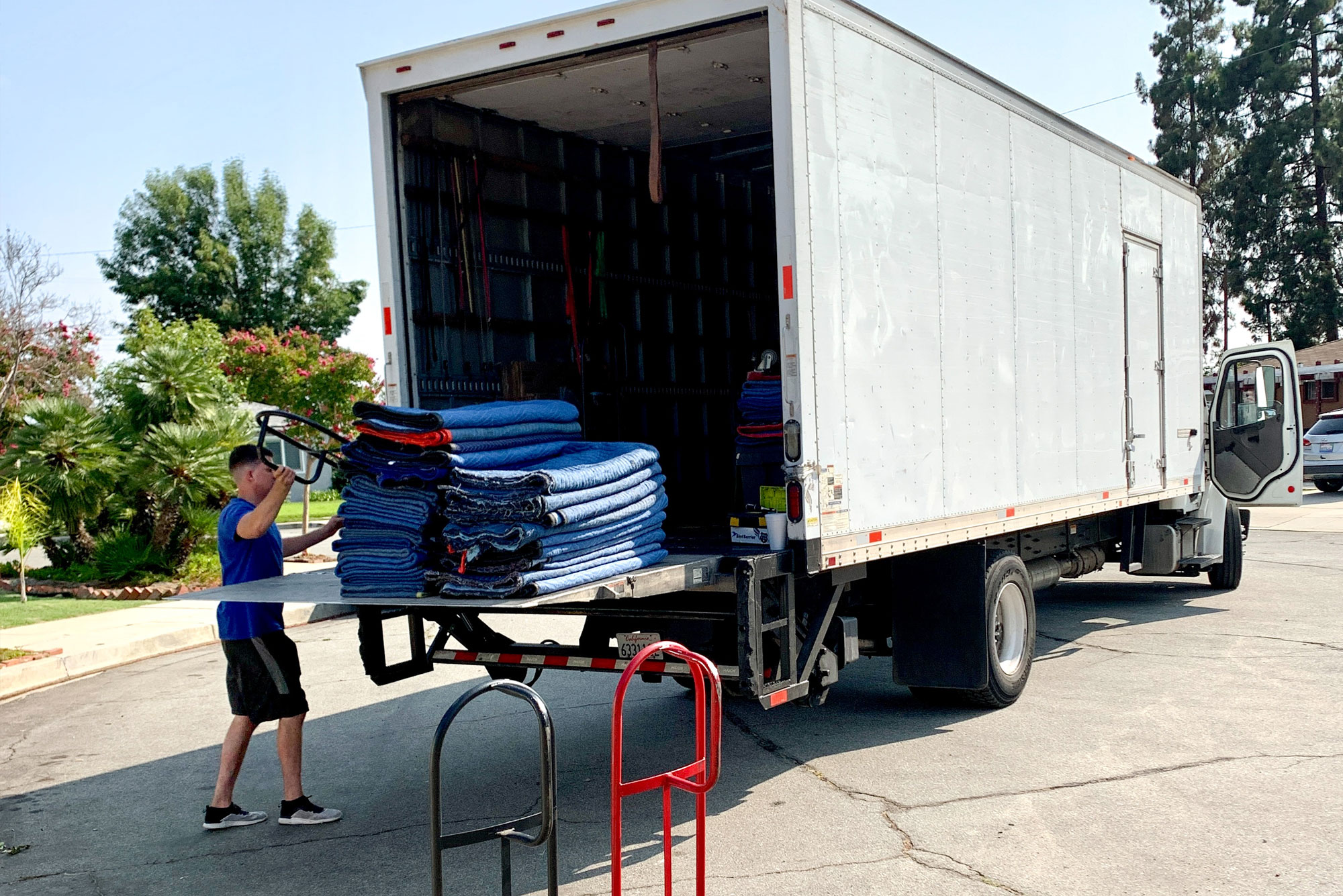
Once the clutter is gone, moving day is simpler. The crew spends its time on the furniture and boxes you actually want, wrapped in blankets and moved with the right equipment.
If packing is the part you’d rather hand off, our packing services can take over once you’ve finished sorting. For local moves, our minimum is 3 hours, travel time included, under our PA PUC tariff.
Movers unloading a box truck with moving blankets and a hand truck on a residential street.
Frequently Asked Questions
What is the 20/20/20 rule for decluttering?
The name is used a few ways. The best known version says that if you could replace an item cheaply in under 20 minutes, you can let it go and stop keeping things just in case. Another version is to spend 20 minutes a day clearing 20 items. Either way, the goal is to make quick decisions instead of agonizing over small things.
What are the four C’s of decluttering?
There isn’t one official list, but a common version is clear, clean, categorize and contain. Clear out what you don’t need, clean the empty space, group what’s left by category, and give each group a container or home. Before a move, the categorize step lines up neatly with sorting into keep, donate, sell and trash.
Do you empty the chest of drawers when moving?
Usually you should remove anything fragile, heavy, valuable or liquid, because the dresser gets tilted and carried on stairs. Light soft items like folded clothes can sometimes stay, but it depends on the piece, so ask us when you book. Decluttering the drawers first also makes the dresser lighter and easier to carry.
What is the 3 3 3 rule for decluttering?
Like many decluttering rules, it has several versions. One simple version for moving is to pick three items to toss, three to donate and three to put away each session, a smaller take on the 10 10 10 rule. It works because it keeps each round short and gives you steady progress through every room.
What should you not throw away before moving?
Keep anything that is hard to replace or that you’ll need right after the move: birth certificates, passports, titles, tax and medical records, warranties and receipts for big purchases, spare keys, prescriptions, chargers and the manuals for appliances you’re keeping. Set these aside in one marked bin before you start sorting so they never land in a trash or donate pile by mistake.
Ready to clear out and move? Request a free quote for your move or junk removal and we’ll help you plan the next step.