
When to start packing for a move depends on the size of your home, but for most households the answer is four to six weeks before moving day. If you have three or more bedrooms, a full basement or attic, or very little free time, start six to eight weeks out.
Starting early doesn’t mean living in boxes for two months. It means packing the things you don’t use first and saving daily essentials for the last week. This guide gives you a week by week packing timeline, the order to pack your rooms, and what changes when you’re moving around Pittsburgh and Washington County. If you’d rather hand some or all of the work to a crew, our packing services can fit into any point of the plan below.
Short answer: Start packing four to six weeks before your move for an apartment or small home, and six to eight weeks before for a larger home. Pack rarely used items first and the kitchen and bathroom last.
When to Start Packing for a Move, by Home Size
The bigger the home and the more storage space it has, the earlier you should begin. Basements, attics, garages and spare rooms hold the most forgotten items, and they take the longest to sort. Use this table as a starting point, then adjust for your schedule.
| Home size | When to start packing | Why |
|---|---|---|
| Studio or one bedroom apartment | 3 to 4 weeks before | Fewer rooms and less storage to sort |
| Two bedroom home or apartment | 4 to 5 weeks before | More closets, a fuller kitchen |
| Three bedrooms or more | 6 to 8 weeks before | Basements, attics and garages take the most time |
| Busy schedule or kids at home | Add 1 to 2 weeks | You’ll pack in short sessions, not full days |
Older homes are common around Pittsburgh, and many have deep basements, attic crawl spaces and closets tucked under stairs. If your house has years of stored things in those spots, lean toward the earlier end of the range.
Can you start packing too early?
Yes. If you box up things you use every week, you’ll end up opening boxes to find them again. Early packing should be limited to off season clothes, holiday decorations, books, extra linens and anything in guest rooms or storage areas. If you’re buying a home, wait until closing is confirmed before packing anything you use daily.
A Week by Week Packing Timeline
This is the order most people find easiest. Each stage clears space for the next one, and your home stays livable until the final few days.
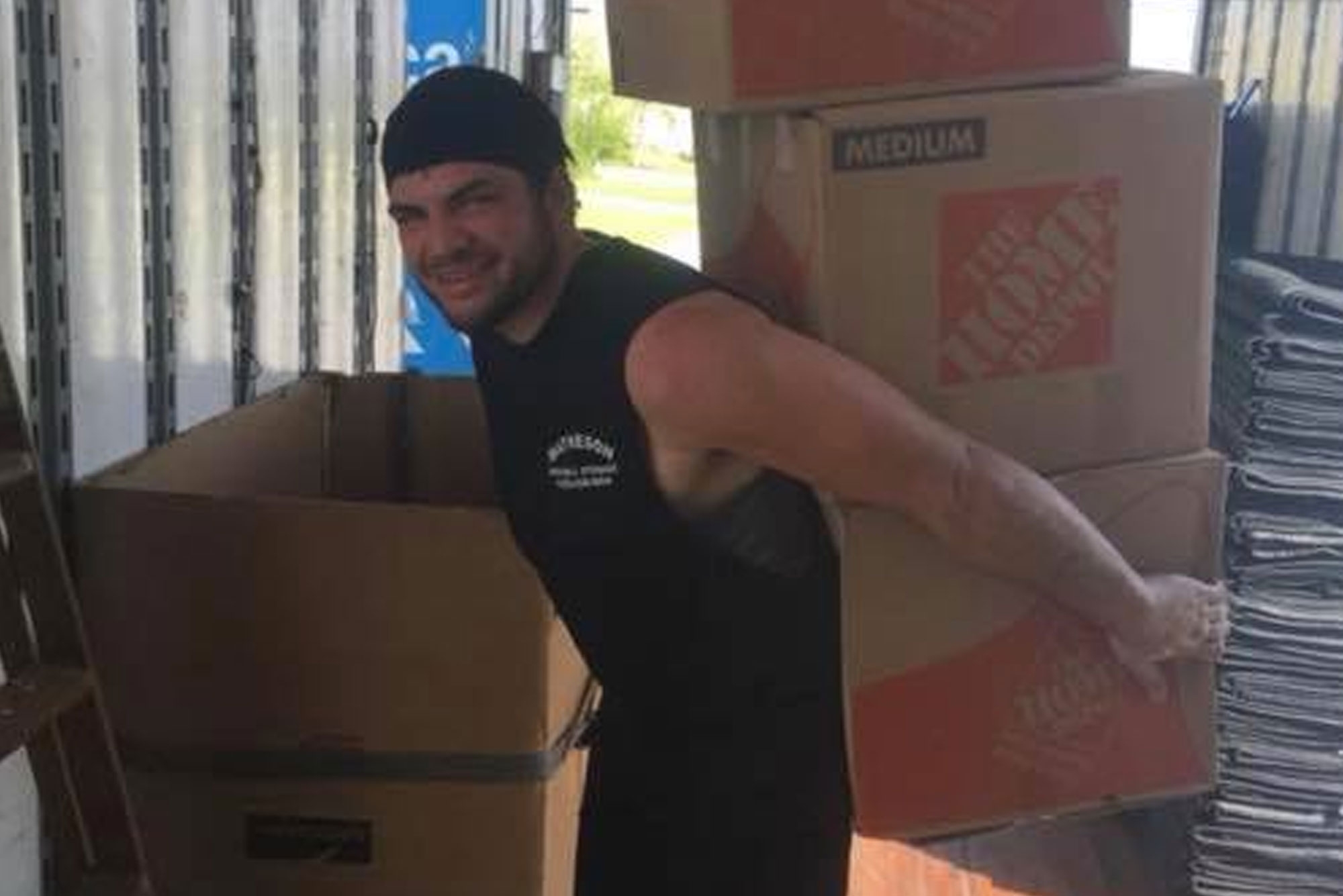
Eight to six weeks out: declutter first. Every item you sell, donate or throw away is one less thing to wrap, carry and unpack. Start in the basement, attic and garage, since those areas hold the most items you’ve forgotten about.
Our guide on what to throw out before a move walks through it room by room. This is also the time to gather boxes, tape, markers, packing paper and bubble wrap.
A mover carrying stacked boxes.
Six to four weeks out: book help and pack storage areas
Decide whether you’ll hire movers, hire packers, or do part of the work yourself, and get your quotes. Spring and summer weekends fill quickly, so see how far in advance you need movers before you settle on a date. Then start packing the storage areas you’ve already sorted.
- Seasonal clothes and coats you won’t need before the move
- Holiday decorations and seasonal yard items
- Books, photo albums and keepsakes
- Everything in guest rooms and spare closets
Four to two weeks out: pack room by room
Now most of your home gets boxed. Work one room at a time and finish it before you start the next. Pack decor, framed art, extra dishes and the bulk of your clothing, and keep out only what you’ll use in the next two weeks.
Label every box on the side with the room it goes to and a short list of contents. Side labels are easy to read when boxes are stacked, which helps the crew put each box in the right room on the other end.
The final week: pack the rest of your clothes, the bathroom, and most of the kitchen. Keep one plate, cup and set of utensils per person, plus a pan or two. Use up refrigerated and frozen food so there’s little left to throw out.
Clear tabletops and dressers so furniture is ready to be wrapped and loaded. Take apart bed frames and tables you can, and put the screws and bolts in a labeled bag taped to the piece they came from.
A mover in a 1st Step hoodie wrapping furniture.

The last two days
Finish the kitchen, strip the beds, and pack your first night box. Walk each room, open every cabinet and drawer, and check closets one last time.
Which Room Should You Pack First?
Pack from least used to most used. That keeps your routine normal for as long as possible while you still make steady progress.
- Storage areas: basement, attic, garage, sheds and storage closets.
- Guest rooms and spare rooms: nobody uses them day to day.
- Formal dining and living rooms: china, decor, books and art.
- Home office: files and supplies you won’t need until you’re settled.
- Bedrooms: out of season clothes first, everyday clothes last.
- Kitchen: specialty items early, everyday dishes in the final days.
- Bathrooms: the night before or the morning of the move.
The kitchen usually holds the most fragile, oddly shaped items in the house. Our post on the hardest room to pack when moving covers how to wrap dishes and glassware so they arrive in one piece.
How Long Does It Take to Pack a House?
There’s no single number, because it depends on how much you own, how fragile it is, and how many hours a week you can give it. A tidy apartment can be packed in a few evenings. A family home with a full basement and garage can take several weekends, and that’s before decluttering. Work backward from moving day and block real time on your calendar for each room.
Professional packing on a tight timeline
If you’re short on time, a packing crew can handle the whole house or just the hard parts, like the kitchen, artwork and fragile items. You can pack books and clothes yourself and have our crew pack the breakables. Our packing service includes the packing materials, so you don’t need to buy boxes for the rooms we pack. Our minimum under our PA PUC tariff is 3 hours, travel time included, and we’ll walk through what drives your cost when you request a free quote.
Packing for a Move in Pittsburgh and Washington County
Local conditions can change your timeline. A few things to plan around when you’re moving in Western Pennsylvania:
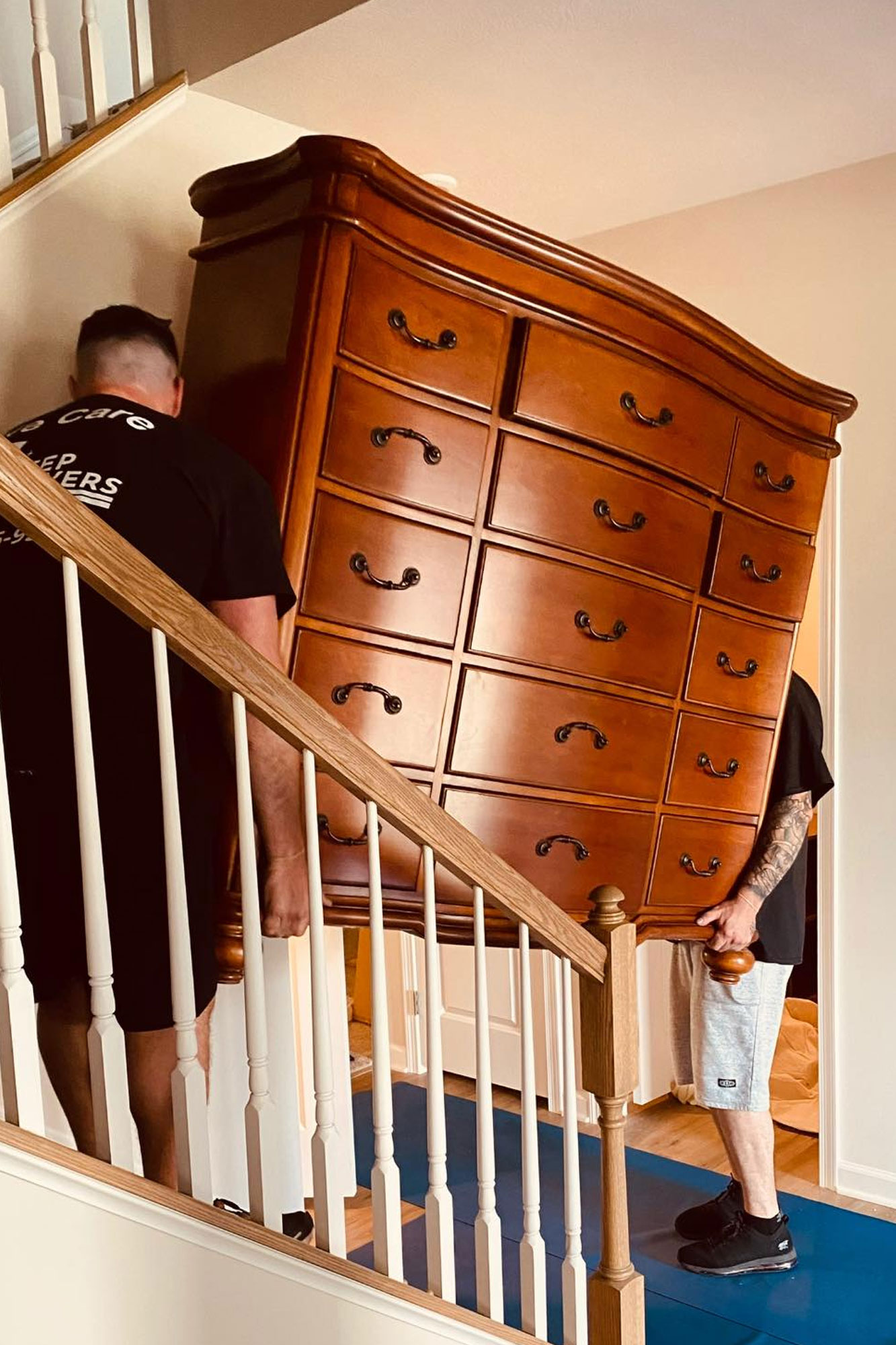
Stairs and tight spaces: row houses and older homes often have narrow staircases, tight turns and small doorways. Empty dressers and desks fully, and take apart anything you can. Lighter, well packed boxes are easier to carry up and down steep steps.
Hills and parking: on steep or narrow city streets, the truck may have to park farther from your door. Ask your borough or the city about any parking rules ahead of time, and keep your packed boxes stacked near the exit so loading goes faster.
Two movers carrying a wooden dresser on a staircase.
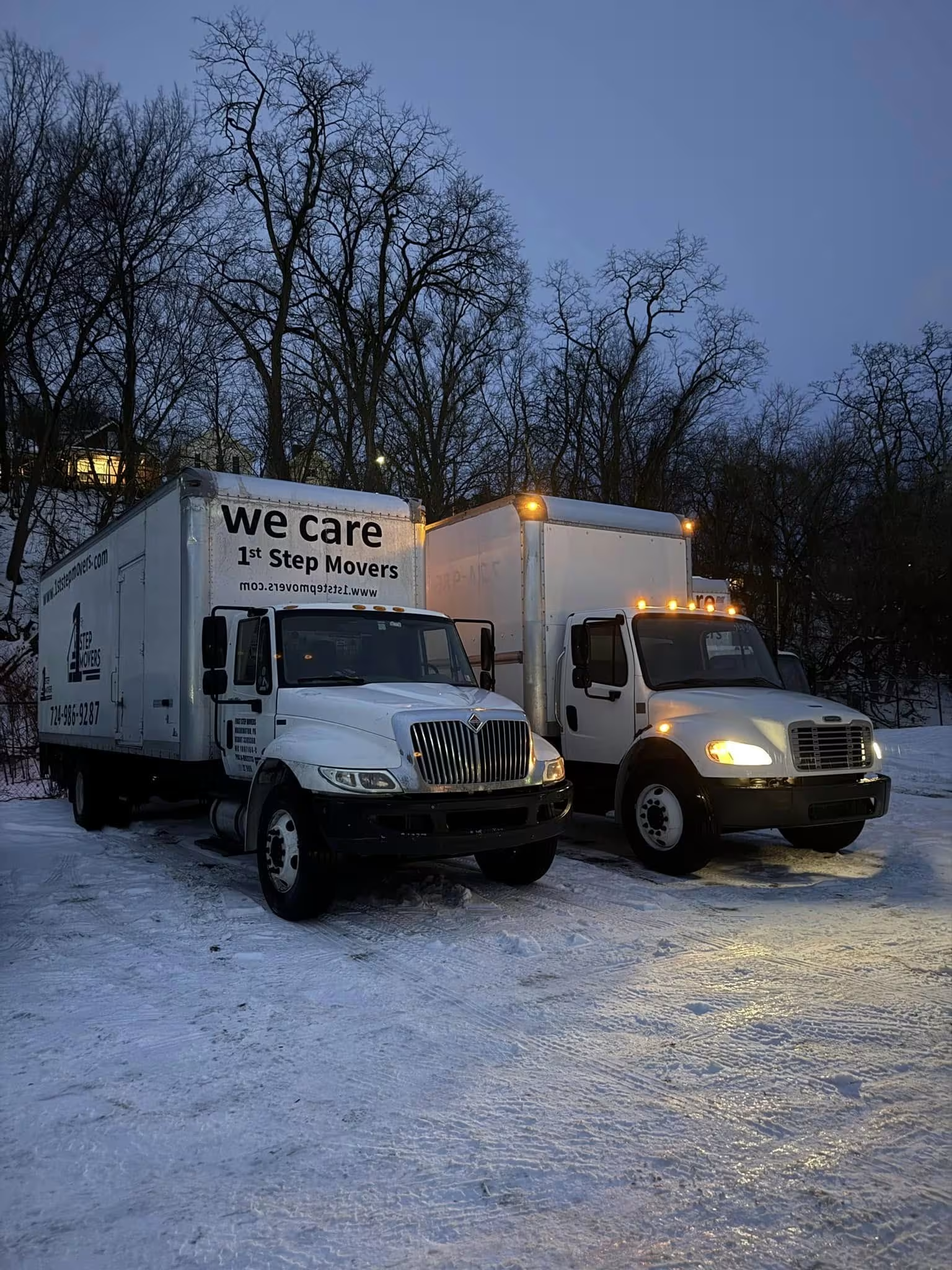
Winter weather: snow and ice can slow a move from November through March. If you’re moving in winter, finish packing a day early so you have time to shovel and salt walkways, steps and the driveway on moving day.
Pack winter coats, boots and gloves last, and keep them in your car. Wrap anything that can be damaged by moisture, and lay down old towels or floor protection at your entry. If your date is still flexible, a spring or fall move avoids most of these problems.
Two 1st Step box trucks with headlights on, parked on snow.
What Not to Pack in Moving Boxes
Some things shouldn’t go on a moving truck at all. Gasoline, propane tanks, paint, paint thinner, pool chemicals, aerosol cans and other flammable or corrosive products are a safety risk in a closed truck. Plan ahead to use them up or dispose of them through a household hazardous waste program. The EPA’s household hazardous waste guide explains what counts and how to handle it.
Keep valuables and paperwork with you rather than in a box: passports, birth certificates, financial records, jewelry, medications and anything irreplaceable. Ask your mover for its list of items it won’t carry.
Pack a first night box
Your first night box rides in your car, not on the truck. Fill it with:
- Medications, toiletries and toilet paper
- Phone chargers and a power strip
- A change of clothes for everyone
- Sheets, pillows and towels
- Box cutter, basic tools, a flashlight and trash bags
- Snacks, water, and food and supplies for pets
- Important documents and keys
Two weeks before you move, submit your change of address with USPS mail forwarding and schedule your utility transfers, so nothing important is lost during the move.
Packing Tips That Save Time on Moving Day
- Fill every box: empty space lets items shift and boxes crush. Fill gaps with paper or soft linens.
- Stand plates on edge: wrap them one at a time and load them upright, not stacked flat.
- Photograph your electronics: snap a picture of the cables behind the TV before you unplug anything.
- Seal and label as you go: an unlabeled box at the end of the day becomes a mystery box at the new house.
Frequently Asked Questions
What is a good timeline for packing for a move?
Declutter and gather supplies six to eight weeks out. Pack storage areas, seasonal items and guest rooms four to six weeks out. Pack most rooms two to four weeks out, one room at a time. In the final week, pack the kitchen, bathrooms and remaining clothes, and set aside a first night box that rides with you in your car.
When packing for a move, where should I start?
Start where decisions are easiest and the stakes are lowest, such as a single storage closet or the garage shelves. Finishing one small space early shows you how many boxes and how much tape you really need, so you can buy supplies once. Set aside a “do not pack” corner for keys, documents and your first night box before you seal anything.
What is the 5 4 3 2 1 rule for packing?
It’s a travel rule for packing a suitcase, usually five tops, four bottoms, three pairs of shoes, two swimsuits or extras and one hat. It doesn’t really apply to moving a household. For a move, the more useful rule is to pack from least used to most used, one room at a time, and keep a first night box with you.
What packing supplies do I need for a move?
Get sturdy boxes in small, medium and large sizes, packing tape and a tape gun, markers, packing paper and bubble wrap. Use small boxes for books and heavy items so they stay easy to lift, and larger boxes for light things like bedding. Add zip top bags for hardware and a few dish pack boxes if you have a lot of kitchenware.
Can movers pack for me if I run out of time?
Yes. We offer packing services for the whole home or just selected rooms, such as the kitchen and fragile items, and the packing materials are included. Booking packing help early gives you the most scheduling options, but if your timeline is tight, call us and we’ll tell you what we can fit in before your moving day.
Planning a move and want help with the packing? Request a free quote and we’ll build a plan around your moving date.