Understanding Full Packing Services
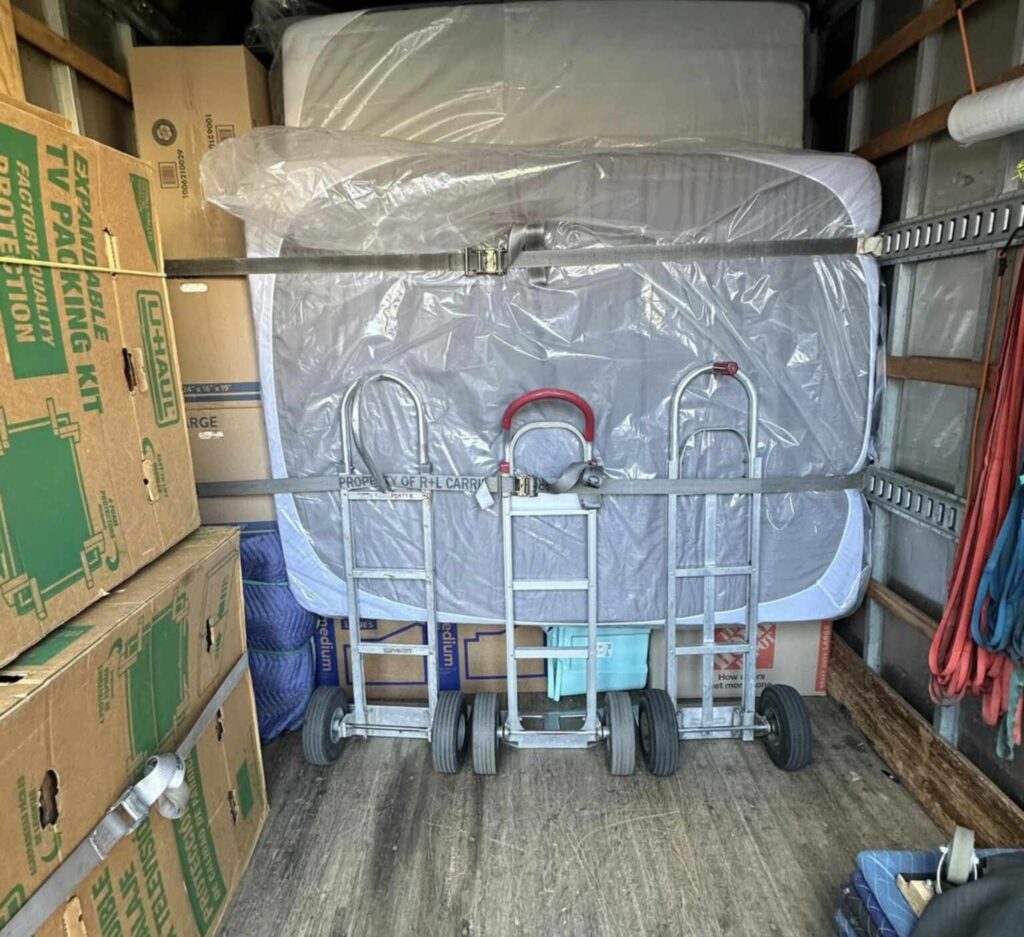
A full packing service is the most comprehensive option a mover can offer. It involves a team arriving with all the tape, boxes and padding needed to wrap and box every item in your home. These full packing services often include disassembly of furniture, protection of fragile items, and careful labeling to simplify unloading. Because it’s bundled into a single contract, you don’t have to hunt for boxes or make repeat trips to the store for tape. Everything from kitchen dishes to your grandmother’s antique china is packed by professionals using industry‑standard materials and techniques.
If you’ve ever moved on your own, you know how much time goes into sourcing boxes, finding suitable padding and packing your belongings room by room. With packing and moving services, the crew brings heavy‑duty boxes, bubble wrap, packing paper and even custom crates for odd‑shaped items. This turnkey approach can be a relief during a hectic relocation, especially if you’re juggling work and family obligations at the same time.
Is Full Packing Service Worth It?
The question that often arises is whether full packing services justify the added cost. On one hand, you’ll save days or sometimes weeks of your own time. According to moving experts, professional packers can prepare an entire house in a day or two, whereas a homeowner might need several weekends. Beyond speed, hiring professional packing services shifts liability: many insurers won’t cover items you packed yourself, but professional packing jobs are covered under the mover’s insurance. This means if something breaks while in the mover’s care, you have recourse.
On the other hand, you must weigh convenience against cost. A full packing service is a premium add‑on. Even for a modest home, you could be looking at several hundred dollars for labor alone. If your budget is tight and you have plenty of time, a DIY approach might make more sense. The decision ultimately comes down to your personal circumstances, including how much time you can devote to packing, how many fragile items you own and how much peace of mind is worth to you.
The Case for DIY Packing
Advantages of DIY Packing
Doing your own packing saves money. When you don’t hire a packing team, you only pay for boxes and tape, and you can often find boxes for free from grocery stores or reuse luggage and bins you already own. You also control how and when things are organized. If you want to sort through old photo albums or decide which clothes to donate as you pack, you have the freedom to do so. DIY packing allows you to label boxes exactly how you prefer and set aside essential items for easy access on moving day. Flexibility is another perk: you can pack a little each night after work instead of compressing everything into a two‑day window.
Challenges and Risks of DIY Packing
The flip side of autonomy is time and physical effort. Packing an entire household is exhausting and often takes longer than expected. Many people start confident they can finish in a few evenings but end up surrounded by half‑packed boxes for weeks. Another risk: without professional techniques or proper materials, fragile items can break. Movers typically won’t assume liability for boxes they didn’t pack. In other words, if your plateware is damaged because you wrapped it in newspaper rather than bubble wrap, you may have no recourse. Finally, certain items, like large furniture or specialty instruments, are difficult to pack safely without the right tools or experience.
Why Choose Professional Packing Services
Advantages of Professional Packing
The greatest draw of professional packing services is the amount of time they save. Experienced packers use efficient methods to optimize box space and finish jobs quickly. They also supply high‑quality boxes, bubble wrap and padding that you might not have easy access to. Once items are sealed and labeled, you benefit from their insurance coverage; if anything is damaged, the mover assumes responsibility. In addition, crews often handle tasks like furniture disassembly and reassembly, appliance disconnects, and custom crating for artwork or heirlooms. For busy professionals or those facing a long‑distance move, paying for a full packing service means you avoid weeks of living among boxes and reduces stress substantially.
Disadvantages of Professional Packing
Cost is the biggest downside. A typical packing package can run from roughly $300 for a small apartment to more than $750 for a three‑bedroom home. Prices climb further for large properties or long‑distance relocations. Beyond price, you relinquish some control. Packers may not group items exactly as you would, and having strangers handle your personal belongings can be uncomfortable. There’s also a trust component: while reputable movers train staff and are insured, you must feel comfortable with people you don’t know going through your home. If privacy is a priority, or if you prefer to control every aspect of organization, hiring help might not be appealing.
Is It Worth Paying for Packing?
Deciding whether to pay for packing services comes down to balancing money, time and risk tolerance. If you work long hours or cannot afford to spend several weekends packing, then hiring professionals can actually be cost‑effective when you value your own time. For seniors or people with mobility issues, packing and moving services prevent injury and reduce physical strain. Conversely, if you’re moving locally, have few fragile items and enjoy organizing, DIY packing saves hundreds of dollars.
A helpful way to visualize the trade‑offs is to compare key factors in a table:
| Factor | DIY Packing | Professional Packing |
|---|---|---|
| Upfront cost | Low: pay only for boxes and tape | High: labor plus premium materials |
| Time investment | Significant: many evenings or weekends | Minimal: packers complete most homes in 1–2 days |
| Control | Complete control over organization | Limited; packers prioritize speed and protection |
| Liability coverage | Limited; movers rarely cover self‑packed boxes | Full coverage if movers pack your items |
| Physical effort | High; heavy lifting and disassembly required | Low; professionals handle lifting and assembly |
As the table shows, professional services trade cost for convenience and protection. For many families, the peace of mind of knowing their items are packed correctly and insured is worth the premium.
What Will Packers Not Pack?
While professional packing services handle nearly everything in a home, there are items movers commonly refuse for safety and liability reasons. Hazardous materials—such as flammable liquids, propane tanks, aerosols, paints and chemicals—are off‑limits because they pose fire or leakage risks. Movers also avoid perishable or refrigerated foods that could spoil in transit, and living plants if the move is long distance. Certain items like firearms, fireworks and ammunition are restricted by law. Valuable personal documents, cash, jewelry and family heirlooms are also better kept with you; movers prefer you transport these personally.
Before your packing team arrives, set aside a box or bag labeled “Do Not Pack” for passports, prescriptions and critical paperwork. Dispose of hazardous materials appropriately and make arrangements to move plants and perishables in your own vehicle. Knowing what to exclude prevents awkward last‑minute decisions and keeps everyone safe.
How Much Does It Cost to Pack a 2000 sq ft House?
Pricing varies widely, but you can estimate costs based on the number of rooms and the volume of belongings. A 2000 sq ft house typically corresponds to a three‑bedroom home. According to moving guides, full packing for a three‑bedroom residence ranges from around $600 to $750 for labor, not including special crating or long‑distance surcharges. This estimate covers professional crews packing all rooms, using high‑quality materials and labeling boxes. If you require custom crates or have an extensive art or wine collection, costs rise quickly. Likewise, moving a 2000 sq ft house across the country will likely cost more than a local move.
To reduce expenses, some families opt for partial packing services like hiring movers to handle the kitchen and fragile items while they box up linens and books themselves. Others gather free or low‑cost supplies in advance and use labor‑only movers to load and unload the truck. Each strategy trades money for sweat equity, so think carefully about where you’re willing to invest.
Choosing the Right Packing Strategy
The optimal packing approach hinges on your circumstances. If budget is the primary concern and you have plenty of time, doing it yourself can be the most economical route. However, don’t underestimate how long packing takes or how physically demanding it can be. A hybrid strategy is often the sweet spot: pack clothing, books and non‑fragile items yourself, but hire full packing services for the kitchen, artwork or delicate collections. This way you save on labor costs while ensuring your most precious items are packed correctly.
For readers interested in a broader cost comparison, 1st Step Movers offers a comprehensive breakdown in their guide Is It Cheaper to DIY or Hire Movers? The Complete Cost Analysis. It examines the total costs of do‑it‑yourself moving versus hiring professionals, including truck rental, labor, fuel and packing supplies. Consulting such resources can clarify where to allocate your budget.
In the end, ask yourself which combination of cost, convenience and risk tolerance fits your situation. A long‑distance move on a tight schedule might warrant investing in professional packing services, while a local move with friends helping could justify a DIY approach. Either way, planning ahead and understanding your options will make your move smoother and less stressful.