Moving with pets goes smoothly when you keep your dog or cat in one closed, quiet room while the house is loaded, hold their feeding and walking schedule steady, and set up a single home base room first at the new place. Dogs often settle within days, while cats usually need a few weeks to feel at home.
The biggest risk on moving day isn’t stress. It’s an open door. Movers carry furniture in and out for hours, and a nervous pet can slip outside in seconds. This guide covers what to do in the weeks before, on loading day, during the drive and after you arrive, plus the Pittsburgh details that make local moving in Pittsburgh a little different for dogs and cats: hills, stairs, row houses, street parking and winter weather.
Short answer: Prepare the carrier early, update ID tags and microchip records, keep pets shut in a quiet room or away from home on moving day, drive them yourself, and give them one familiar room at the new home before opening up the rest of the house.
Why Moving Day Is Hard on Dogs and Cats
Pets run on routine and territory, and a move takes both apart at once. Boxes appear, furniture disappears and strangers walk through the house. Some pets hide, some pace and bark, and some stop eating for a day or two.
Cats bond to territory, so a new house hits them hard. Dogs bond to people and schedules, so they usually recover faster if walks and meals stay on time.
What makes a Pittsburgh move harder for pets
- Street loading: many city row houses and older homes have no driveway, so the truck parks on the street and the front door stays open for most of the job.
- Hills and steps: long outdoor stairways and steep yards mean more trips, more noise and more time with doors propped.
- Weather: summer heat makes a parked car dangerous fast, and winter brings ice and road salt that irritate paws.
Two to Four Weeks Before the Move
Make the carrier or crate a normal place
If your cat only sees the carrier on vet days, it has learned that the carrier means trouble. Leave it open in a room your pet already uses, put a worn blanket inside, toss in treats and feed a few meals there. The ASPCA suggests getting pets used to crates gradually, first feeding meals in an open crate and later with the door shut, and taking a short drive or two before moving day.
Bring boxes in slowly
Start packing early and add boxes a few at a time so the house doesn’t change overnight. Pack the room your pet uses most, the one with the bed, bowls and favorite window, last. See when to start packing for a move for a room by room timeline.
Call your vet
- Get a copy of vaccination and medical records, and refill medications.
- If your pet gets anxious or carsick, ask about calming options. Only give medication your vet recommends for your pet.
Update ID tags and microchip records
Put your cell number on the collar tag and log in to your microchip registry to update your address and phone. If your pet slips out in an unfamiliar neighborhood, a current tag lets whoever finds it call you right away.
Moving With Pets on Loading Day
Feed and walk your pets early, then get them out of the traffic before the crew arrives.
When the truck is at the curb, doors open and close all day. The safest choice for a dog is a day away from home: a trusted friend, a sitter or a doggy daycare. Cats usually do better staying in one closed room they already know.
If your pet stays home, pick a bathroom or bedroom the crew doesn’t need to enter. Put in water, a bed, toys and a litter box, shut the door and tape a sign on it that says pets inside, do not open.
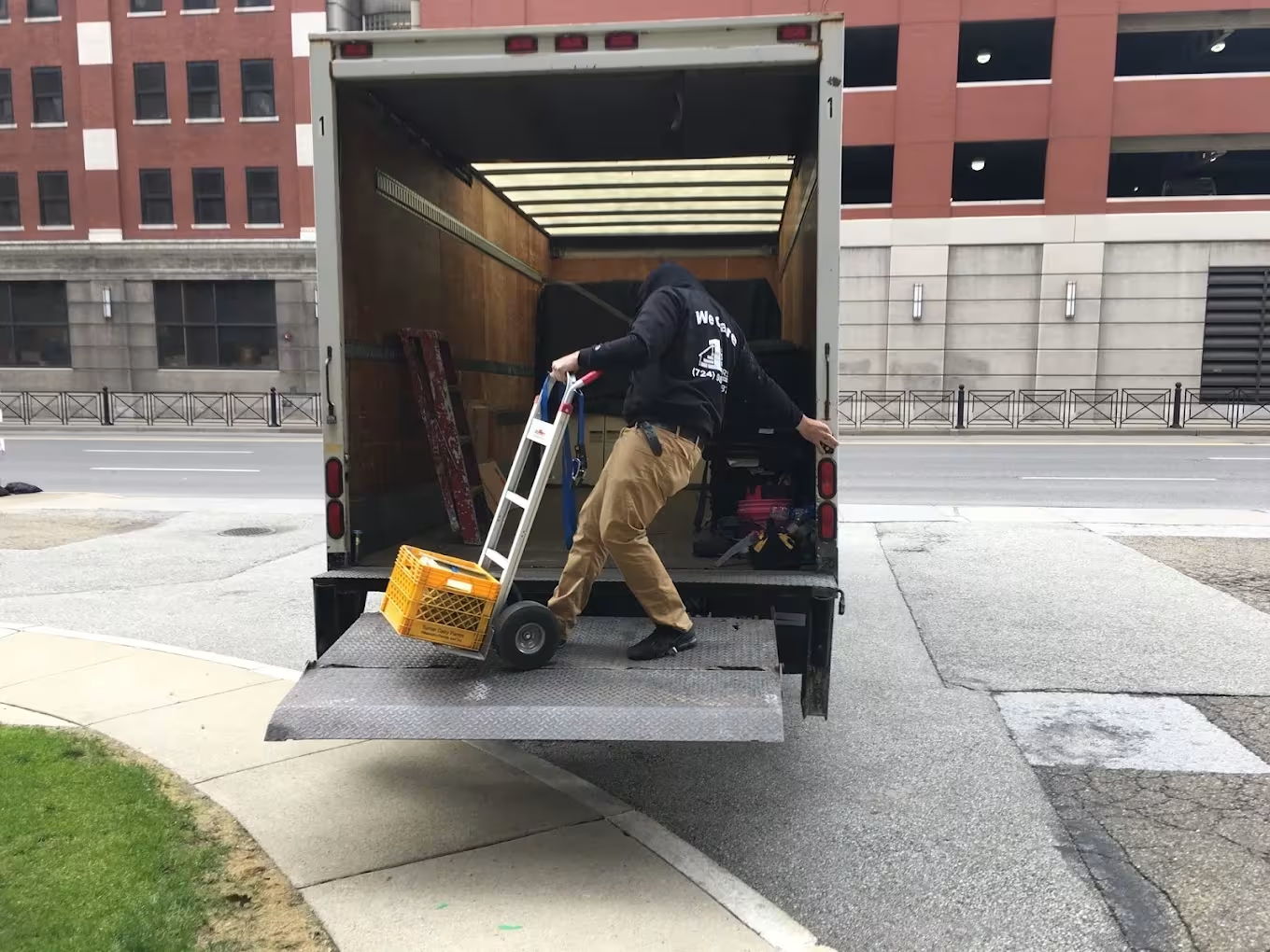
A mover using a hand truck to roll items up the lift gate into a 1st Step truck on a city street.
Tell the crew you have pets
Mention your pets when you book and again when the crew arrives. Point out the closed room so nobody opens it by mistake, and plan to empty that room last, after your pet is in the carrier or the car.
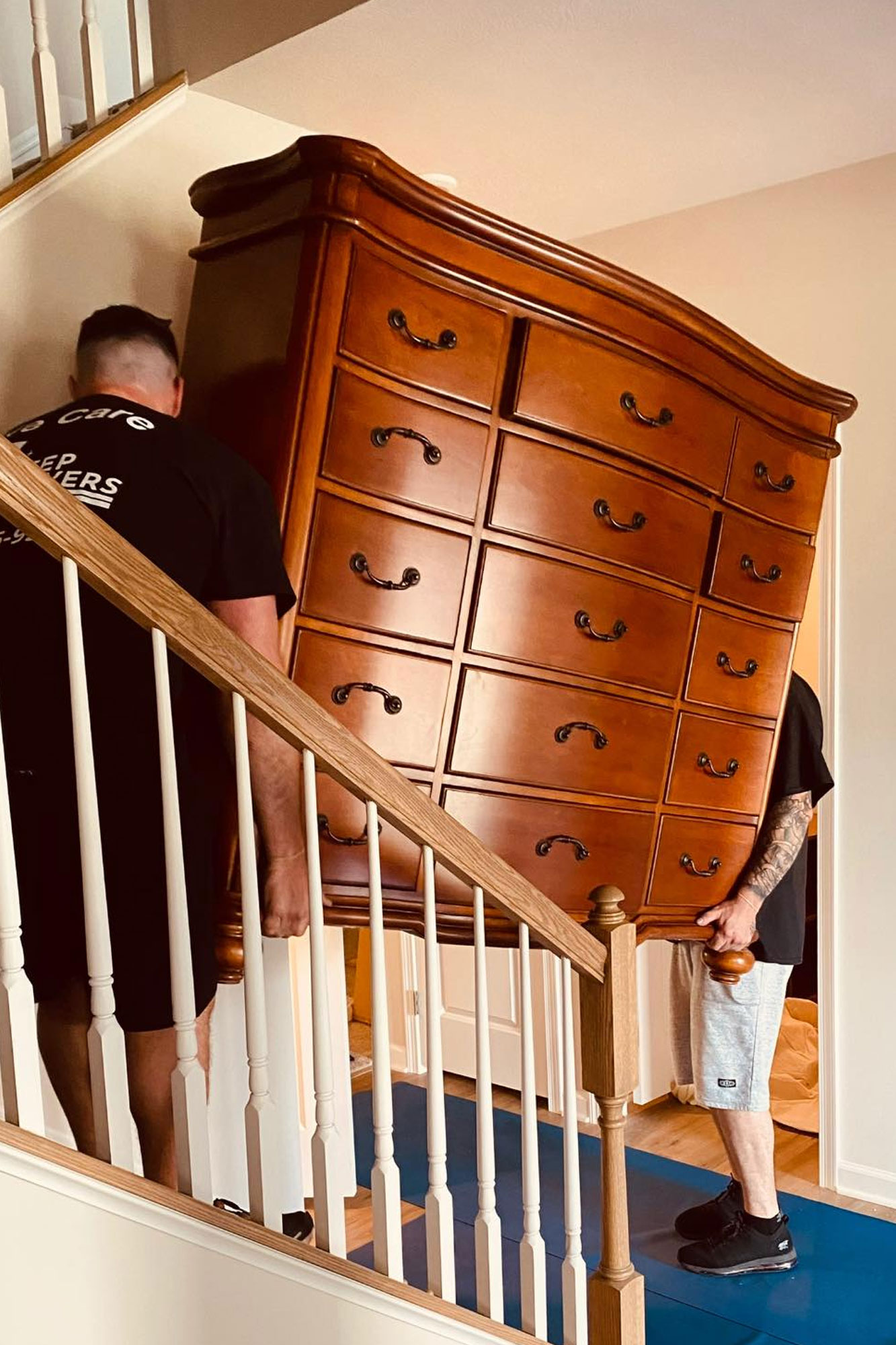
Stairs are where pets and movers collide. A dog underfoot on a narrow staircase is a danger to the dog and to whoever is carrying a dresser. Assign one adult to check on pets every hour and to watch the door whenever someone goes in or out.
Two movers carrying a wooden dresser up a staircase.
Keep a pet bag with you
Pack a separate bag that rides in your car, not the truck:
- Food for a few days, bowls and bottled water
- Medications and a copy of vet records
- Leash, harness, waste bags and a spare collar with an ID tag
- Litter, a small litter box and scoop for cats
- A favorite toy and an unwashed blanket that smells like home
Getting Your Pet to the New Home
Pets ride with you, never in the moving truck, which has no climate control or air flow for animals. Living animals are on the list of household items movers won’t transport for good reason.
Cats and small dogs should travel in a carrier buckled into the back seat. Larger dogs need a secured crate or crash tested harness. A light blanket over a cat carrier cuts down on visual stress during the drive.
Don’t leave pets alone in a parked car, even for a few minutes in mild weather. On a longer trip, stop every few hours for water and a short leashed walk. Feed a light meal a few hours before you leave to reduce carsickness.
If two adults are moving, have one stay with the pets while the other meets the crew at the new home. Bring pets inside once the safe room is ready.
Settling In: The First Days and Weeks
Before your pets explore, walk the house yourself. Older Pittsburgh homes often have loose screens, gaps behind appliances and spaces under radiators where a scared cat can hide. The ASPCA’s guide on moving with your pet recommends removing hazards such as exposed cords, unsecured windows, toxic plants and pest control traps before pets roam.
Bringing houseplants? Check which are toxic to pets first. Our post on whether moving companies can move plants covers getting them to the new home.
Set up one home base room
Choose a spare bedroom or bathroom and set it up first with food, water, the bed, toys, the litter box and that unwashed blanket. Keep your pet there for the first day or two while boxes come in. Then open one new room at a time. For cats, the ASPCA suggests moving the litter box gradually toward its permanent spot once they’re comfortable.
Keep the routine steady
Feed, walk and play at the same times as before the move. Keep dogs leashed until they know the new yard.
The 3-3-3 Rule for Dogs and Cats
The 3-3-3 rule is a rough guide to how pets adjust to a new place. It’s usually shared with people adopting a rescue pet, but it fits a move well. Every pet is different, so treat the timeframes as loose.
| Timeframe | What you may see | What to do |
|---|---|---|
| First 3 days | Hiding, clinginess, low appetite, an accident or two | Keep pets in the home base room, keep meals on schedule, don’t force contact |
| First 3 weeks | Exploring, testing boundaries, appetite returning | Open the house one room at a time, keep walks and play steady |
| First 3 months | Normal personality, favorite sleeping spots claimed | Treat the home as settled and resume normal life |
Dogs often move through this faster than cats. If your pet refuses food for more than a day, or anxiety, accidents or hiding are still strong after two weeks, call your vet.
Tips for Moving With a Cat
- Keep cats indoors after the move, even if they went outside before. A cat let out too soon may try to find its old home.
- Don’t wash their bedding the week of the move. Familiar scent does real work.
Tips for Moving With a Dog
- Give your dog a long walk or play session the morning of the move. A tired dog handles noise better.
- Check fences and gates for gaps before letting your dog loose in a new yard.
- Pennsylvania requires dogs three months and older to be licensed. Licenses are sold through county treasurers and online through the Pennsylvania Department of Agriculture. If you move to a new county, check the department’s guidance on updating your dog’s license.
Weather and Season: Planning Around Pittsburgh
In summer, start early so loading finishes before the hottest part of the day, and keep water out in the safe room.
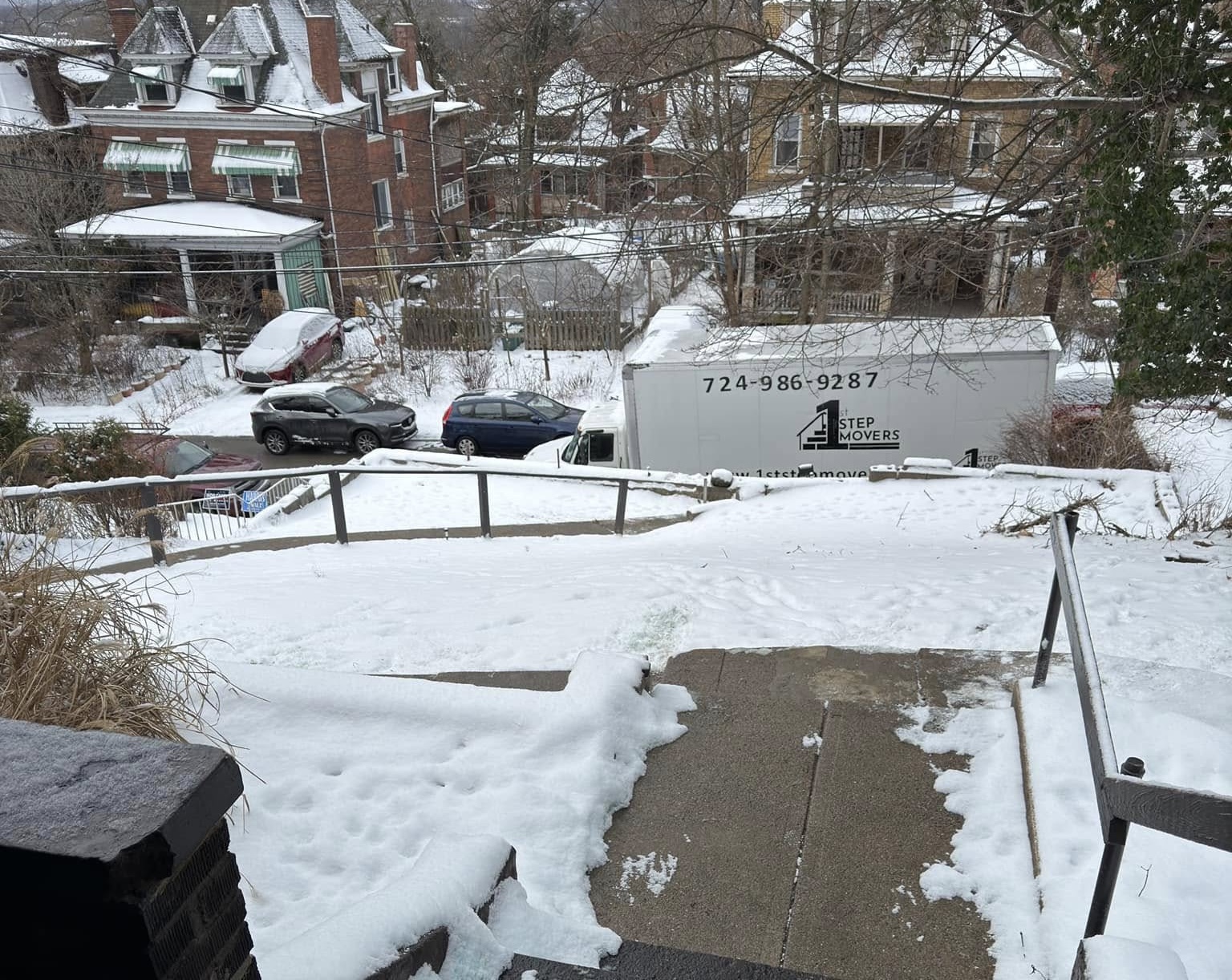
In winter, ice and road salt are hard on paws and risky for a dog pulling on a leash. Clear paths at both homes and wipe paws after walks. For more on picking a date, see our guide to the best seasons and days to move in Pittsburgh.
A 1st Step truck parked on a snowy street in a hillside neighborhood.
How Professional Movers Make Moving With Pets Easier
The fewer hours your house is in chaos, the less time your pet spends shut away, and professional packing means you can spend the days before the move on your pets instead of on boxes.
When you call for a quote, tell us about your pets, your stairs and your parking so we can plan the day. Our minimum is 3 hours, travel time included, under our PA PUC tariff.
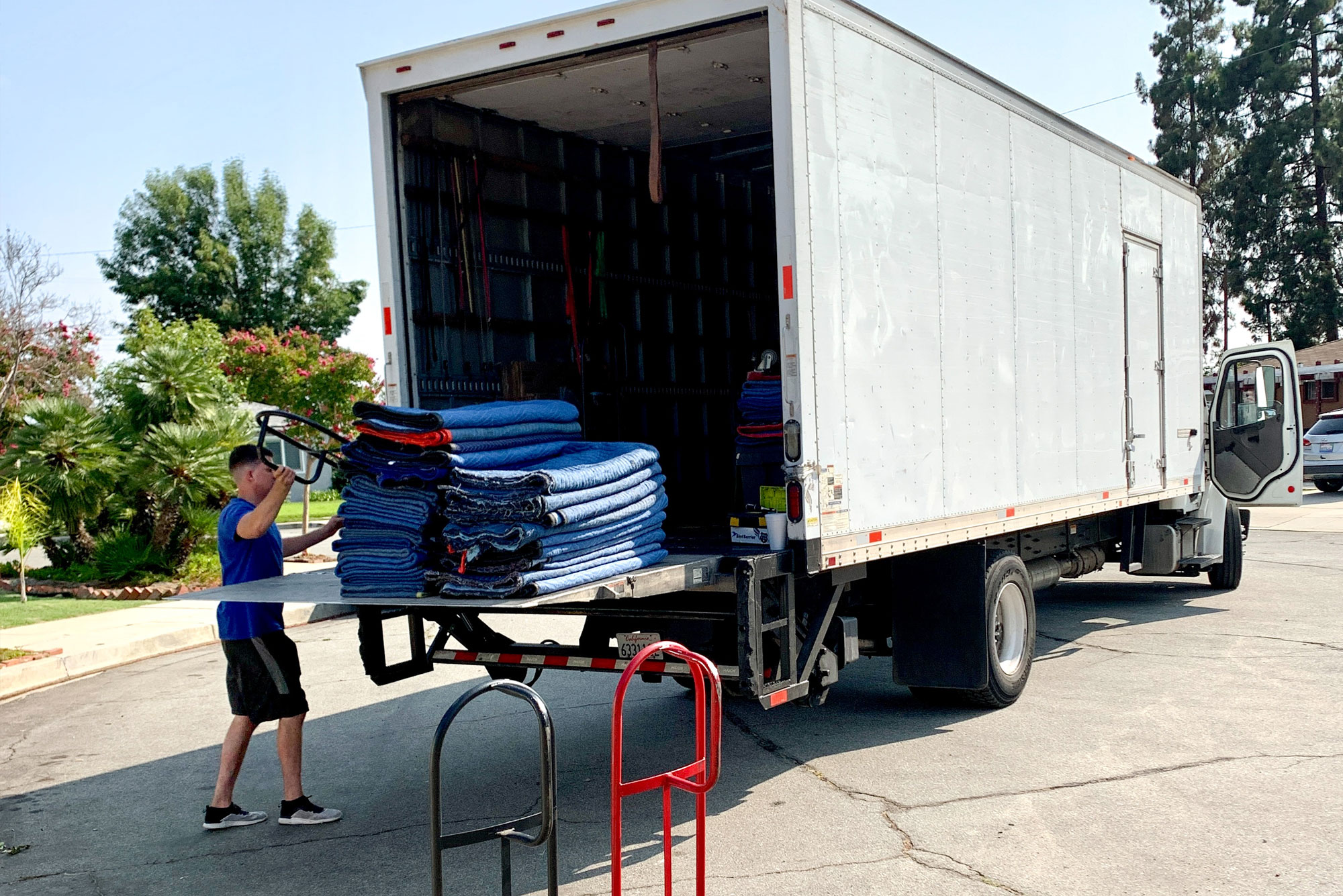
A mover at the back of a box truck with a stack of moving blankets, a hand truck beside the lift gate.
Frequently Asked Questions
What is the 3-3-3 rule for new pets?
The 3-3-3 rule says a pet needs about three days to decompress, three weeks to learn a new routine and three months to feel fully at home. It started with shelter adoptions but works well after a move. Keep pets in one room at first, hold meals and walks on schedule and open the house gradually.
How long does it take a cat to adjust to a new home?
Many cats hide for the first few days and need a few weeks to explore with confidence, and some take a few months to fully relax. Start your cat in one quiet room with its litter box, food, water and familiar bedding, then open one new room at a time. If your cat stops eating for more than a day, call your vet.
Should I board my dog on moving day?
If you can, yes. A day with a trusted friend, sitter or doggy daycare keeps your dog away from open doors, noise and strangers while the truck is loaded. If that isn’t possible, keep your dog in a closed room with water, a bed and toys, put a sign on the door and have one adult check in every hour.
How do I move a pet a long distance?
Plan the drive around your pet. Book pet friendly lodging ahead if the trip runs overnight, carry vet records and enough food and medication for the whole trip plus a few extra days, and stop every few hours for water and a leashed walk. Ask your vet whether your destination has health certificate or vaccination requirements for arriving pets.
How do I keep my cat from running away after a move?
An open door is the easiest way out, so keep your cat shut in its home base room whenever boxes or furniture are coming in. Teach everyone in the house to check for the cat before opening an outside door. If your cat went outdoors before, wait several weeks before any outdoor time, and consider starting with short supervised visits on a harness and leash.
Planning a move with a dog or cat in the house? Request a free quote and tell us about your pets, stairs and parking so we can plan a calmer moving day.