
Can movers move plants? Yes. 1st Step Movers moves houseplants on local moves: tell us about them when you book, and the crew will load them last and unload them first. Long distance and interstate moves are different, because plants are living, perishable items and some states restrict which plants can cross their borders, so on those moves your plants usually travel best with you, in your own car.
This guide explains why movers treat plants differently from furniture, what changes when you leave Pennsylvania, and how to pack and carry your plants so they arrive healthy. If you’re planning local moving in Pittsburgh or Washington County, it also covers what our hills, stairs and weather mean for your greenery.
Short answer: Yes, we move houseplants on local moves. For long distance and interstate moves, carry plants in your own temperature controlled car and check the destination state’s plant rules first.
Why Movers Treat Plants Differently
A sofa doesn’t care how long it sits in a truck. A plant does. Plants need light, water, air and a steady temperature, and a closed moving truck offers none of those for hours at a time. A few reasons movers are cautious:
- The truck box is not climate controlled. In summer it heats up fast, and in a Pittsburgh winter it can drop below freezing. Many tropical houseplants are damaged by cold well before that point.
- Plants are perishable. Like food, they can wilt, drop leaves or die from conditions no one controls. That’s why many movers won’t accept responsibility for plant damage.
- Soil, water and pests travel with them. A tipped pot can spill wet soil onto a mattress or upholstered chair, and insects hiding in the soil can ride along to the new home.
- Weight and shape. A large potted tree is heavy, top heavy and awkward to stack. It takes up space that could hold boxes.
None of this stops us from moving your houseplants across town. It just means planning ahead: tell us about them before moving day, not when the crew is already loading.
Can Movers Move Plants? Local vs. Long Distance Moves
The distance of your move matters more than anything else when it comes to plants.
Local moves
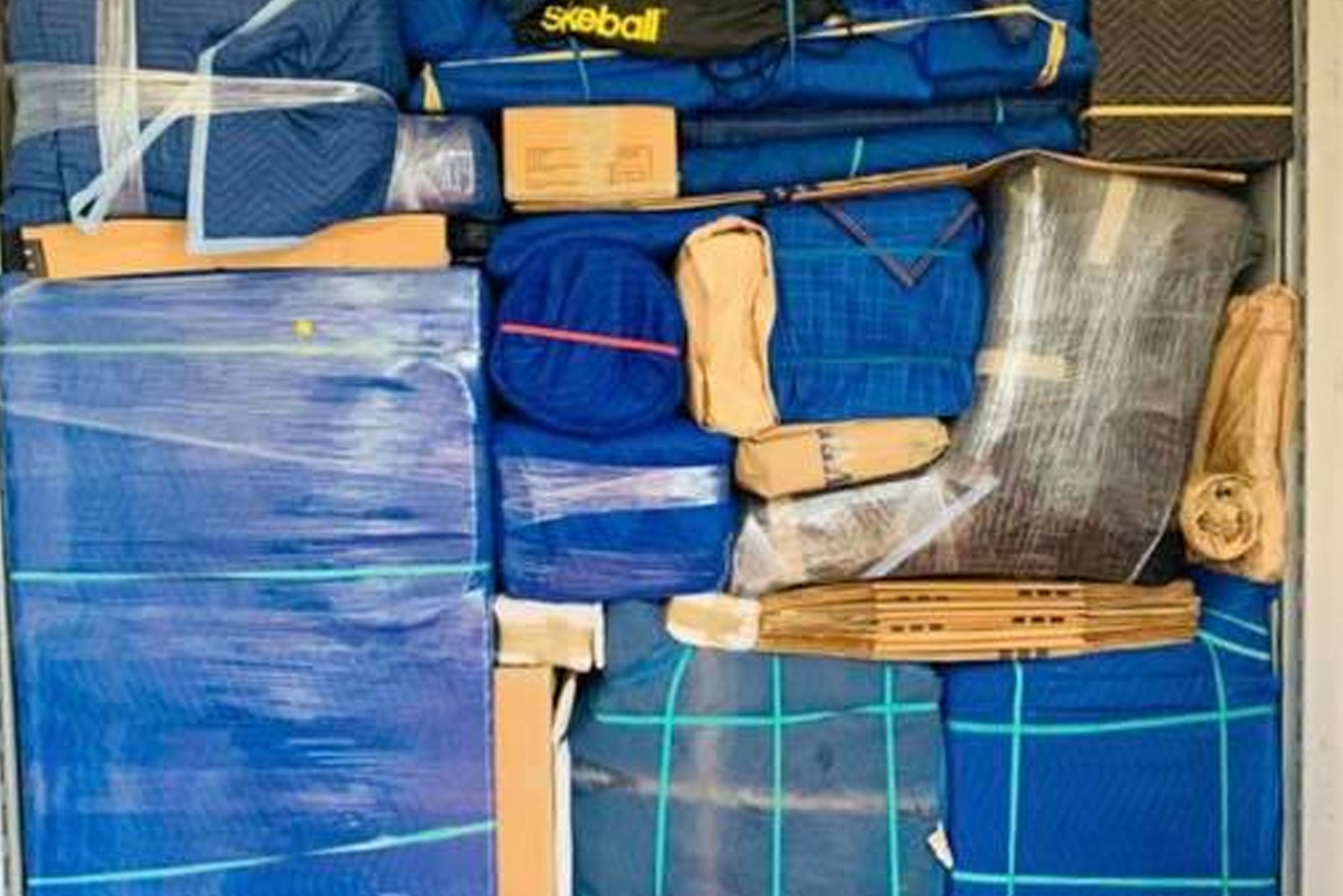
On a move across town, plants spend a short time on the truck, often loaded last and unloaded first. 1st Step moves houseplants on local moves. Let us know how many you have and how big they are when you book, so the crew can plan space for them. Plants are still living things, so heat or cold in the truck carries some risk even on a short ride.
A well packed truck is loaded tight from floor to ceiling so furniture can’t shift on the road. A potted plant buried in that load can be crushed or tipped, so plants that ride on the truck do best near the door, where they come off first.
A truck load tightly packed with blanket wrapped furniture.
Long distance and interstate moves
On a move across Pennsylvania or to another state, belongings can be on the truck for many hours or longer. Many movers won’t take plants on these moves. Interstate moves add another layer: plant rules set by the states themselves.
| Question | Local move | Interstate move |
|---|---|---|
| Will plants ride on the truck? | Yes, 1st Step moves houseplants on local moves | Many movers decline them, so plan to carry them |
| Time plants spend in the truck | Short | Hours or longer |
| Plant rules to check | Pennsylvania quarantines | Pennsylvania rules plus the destination state’s rules |
| Best way to move them | Your car or the truck, loaded last | Your own car, or rehome them |
Moving Plants Across State Lines
Every state has a plant regulatory office that decides which plants, soils and pests may enter. Some states inspect plants at the border, some require a certificate for certain plants, and some ban specific species outright. Rules change, so check them for your destination before you pack.
The National Plant Board, the association of state plant regulatory agencies, keeps summaries of each state’s plant laws and a directory of state contacts. That’s the best starting point. Common houseplants grown in commercial potting mix are the least likely to cause trouble, while outdoor plants, garden soil, citrus and fruit trees are more likely to be regulated.
If you’re moving out of state, our long distance moving crews can handle the rest of your home while you carry the plants yourself.
Spotted Lanternfly: A Pennsylvania Concern
Pennsylvania has a spotted lanternfly quarantine covering much of the state. The Pennsylvania Department of Agriculture asks people in quarantined areas to “Look Before You Leave”: inspect vehicles, trailers and any outdoor items you are transporting for the insect in any life stage before you leave the quarantine zone.
That matters on moving day. Lanternfly egg masses are often described as smears of gray mud, and they can turn up on outdoor items such as patio furniture, grills, planters and stacked firewood. Read the state’s Look Before You Leave guidance, check the quarantine information for your county, and inspect outdoor pots and yard items before they go on any truck.
How to Move Plants Safely, Step by Step
Good packing does most of the work. Start about two to three weeks before your move.
- Repot into plastic. Move plants out of heavy ceramic or clay pots into lightweight plastic nursery pots. Pack the empty decorative pots separately.
- Prune. Trim dead leaves and leggy stems about a week before the move so the plant is easier to pack.
- Check for pests. Look under leaves and on the soil, and treat any problem before the move.
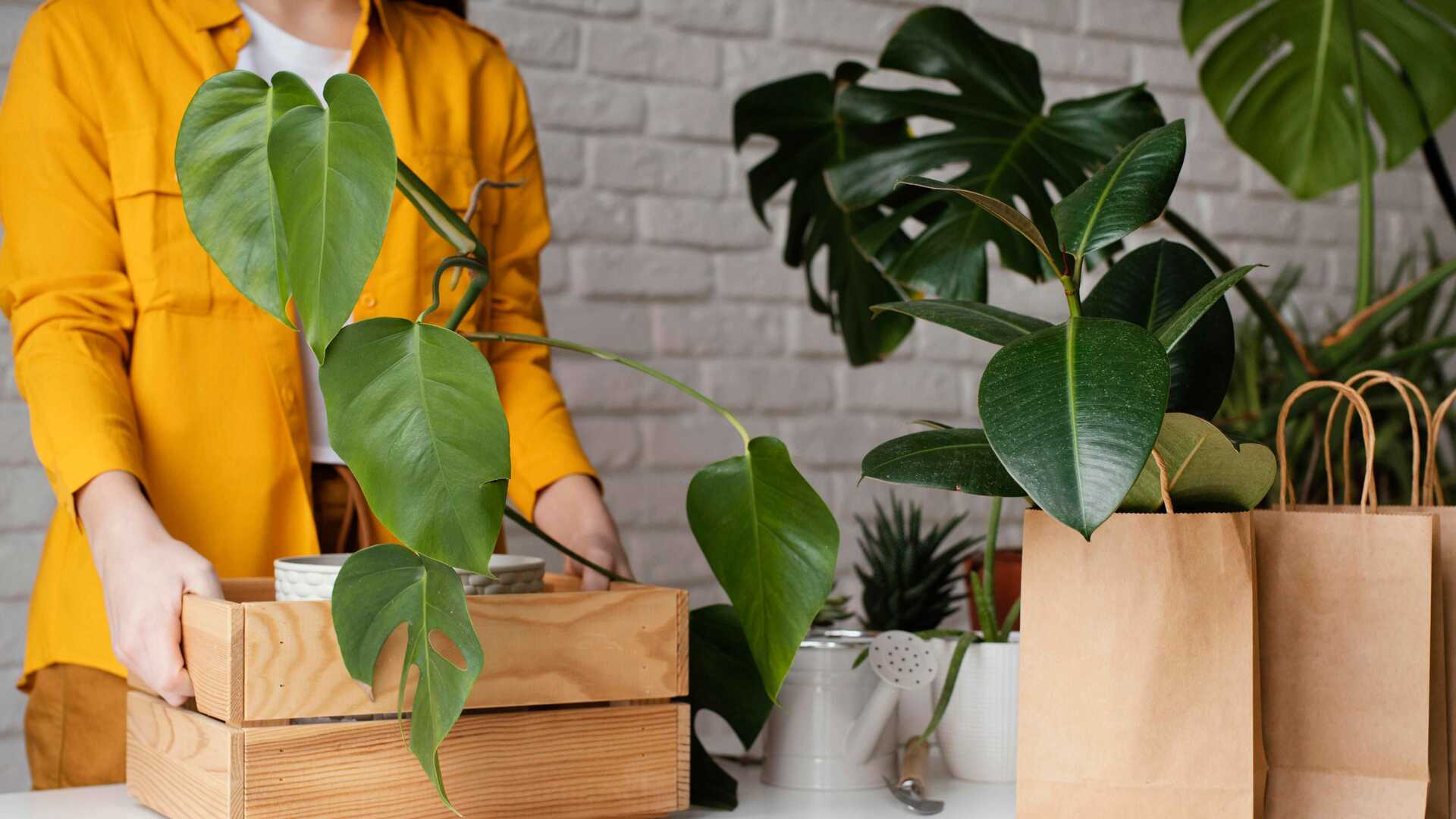
Stock photo of a person setting potted plants into a wooden crate.
The last few days
- Water two or three days before, so the soil is damp but not soaking. Wet soil adds weight and spills.
- Set each pot in a sturdy box and fill the gaps with packing paper so it can’t slide. Leave the top open or punch air holes.
- Cover the soil with paper or plastic wrap around the base of the stems to keep it in the pot.
- Wrap tall plants loosely in paper or an old sheet, and tie floppy branches gently with soft twine.
- Label boxes “Live plants, this side up.”
Moving Plants in Pittsburgh: Weather, Hills and Stairs
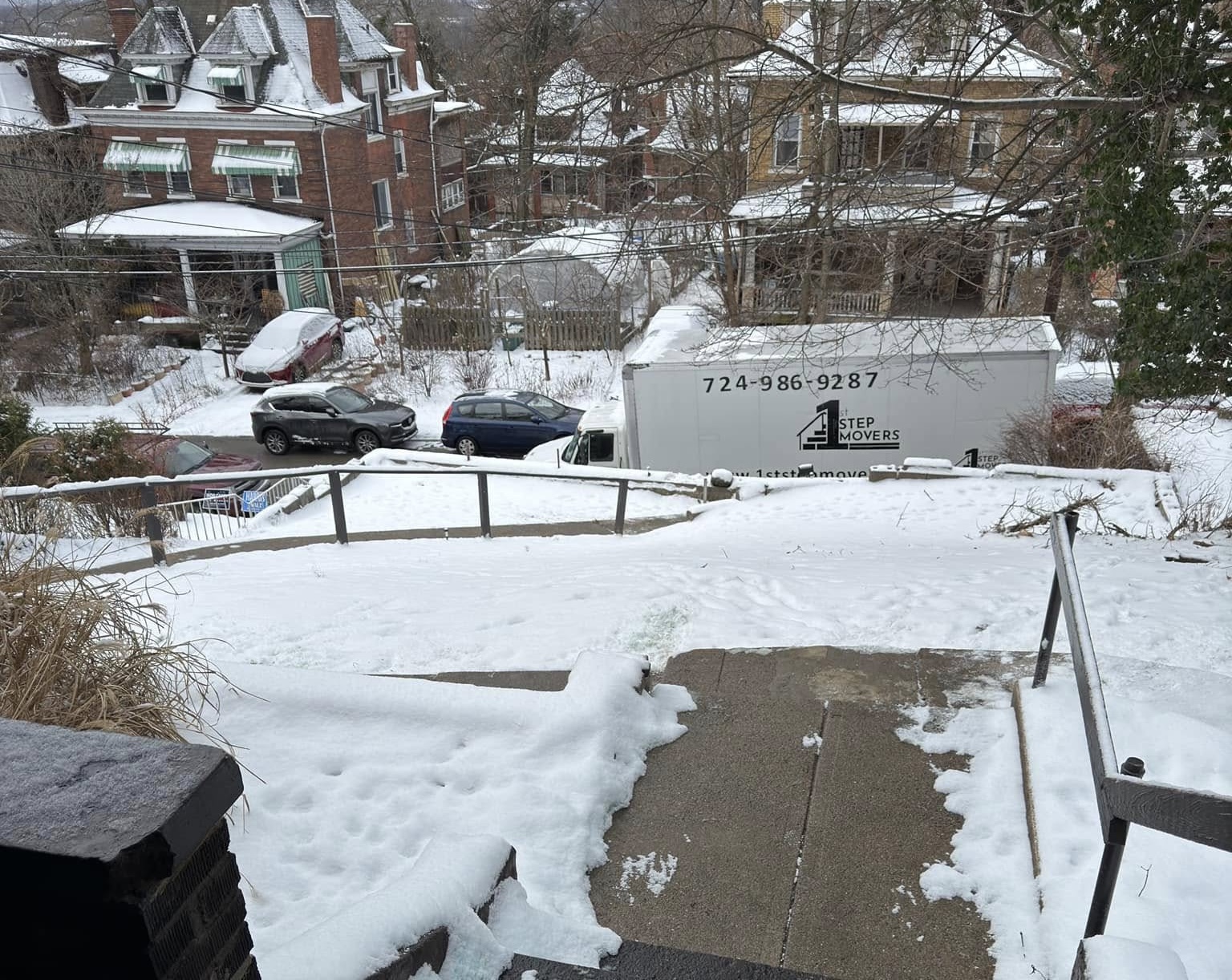
Western Pennsylvania weather is hard on plants in transit. From late fall through early spring, a few minutes on an open porch or in an unheated truck can damage a tropical plant. Warm up your car first, carry plants out last and bring them inside first.
In summer, never leave plants in a parked car. A closed vehicle heats up quickly, even on a mild day.
Access matters too. Row houses, steep front steps and narrow city streets mean a longer carry from the door to the truck. Big potted trees are heavy once the soil is wet, so plan a clear path before moving day.
A 1st Step truck parked on a snowy street below a set of snow covered front steps.
The Best Way to Move Plants: In Your Own Car
On a long distance move, and for delicate favorites on any move, the car is the safest place for plants. You control the temperature, you can check on them, and they’re the first thing you unload.
- Wedge boxes on the floor or a flat seat so they can’t tip.
- Keep plants out of direct sun through the windows.
- Crack a window or run the air on a gentle setting for airflow.
- On a long drive, bring plants inside with you at overnight stops.
If you have more plants than your car can hold, choose your favorites, then give the rest to friends, neighbors or a local school. You can also take cuttings, root them in water and start again in the new home.
What About Outdoor Plants and Landscaping?
Trees, shrubs and garden beds are a different matter. Digging up an established plant damages its roots, and many won’t recover from the move. Check your sale agreement as well: landscaping is usually considered part of the property you’re selling, so talk with your real estate agent before you dig anything up.
For a plant with real sentimental value, such as a family peony or rose, ask a local nursery about the best time to divide or transplant it. Taking a division or cutting is often easier than moving the whole plant. And remember the lanternfly checklist for anything coming from the yard.
Plan for Plants When You Book Your Move
The simplest way to protect your plants is to bring them up when you ask for a quote. Tell us how many plants you have, how big the largest ones are and whether any are outdoor plants. That helps the crew plan truck space and loading order, and on a local move we’ll keep your houseplants near the door so they come off first.
If you’d rather not pack at all, our packing services can box up the rest of your home while you focus on the plants.
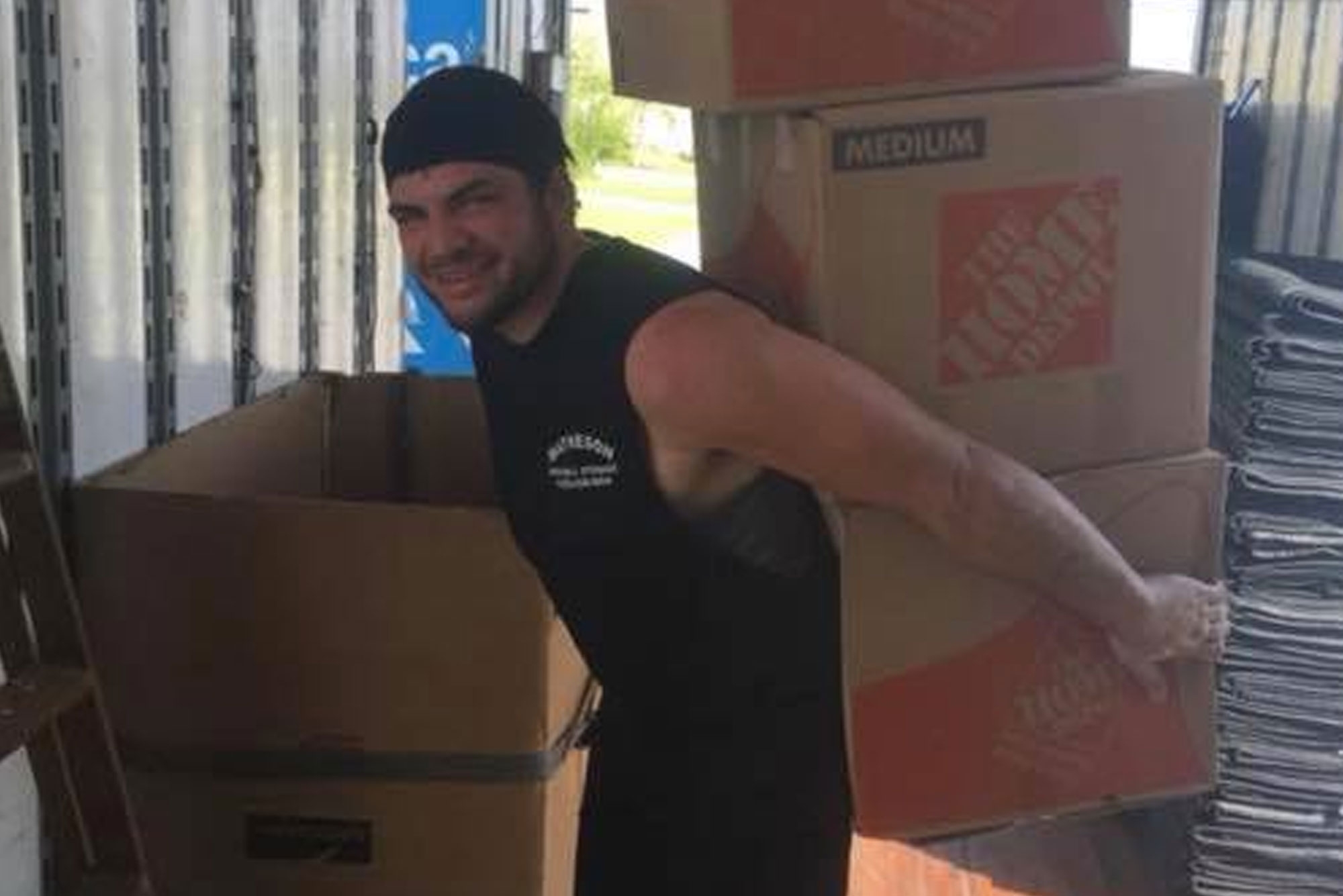
A mover carrying stacked boxes.
After the Move: Helping Plants Settle In
Unpack plants as soon as you arrive, before the furniture. Open the boxes, remove the wrapping and set them in a spot with light similar to what they had before.
Expect some droop or a few dropped leaves. That’s normal stress from a change in light and temperature. Water only when the soil needs it, skip fertilizer for a few weeks and wait until new growth appears before repotting into decorative pots.
Planning the rest of your move? See our guide to household items movers won’t transport, our tips for moving with pets in Pittsburgh, and how local and long distance movers differ.
Frequently Asked Questions
What items will movers not move?
Movers generally won’t transport hazardous materials such as gasoline, propane, paint thinner and fireworks, along with perishable food and, on longer moves, live plants. Many also ask you to carry valuables like cash, jewelry and important papers yourself. See our full list of items movers won’t transport before you start packing.
Do plants go into shock after transplanting or moving?
Yes, they often do. The most common mistake is reacting to droopy leaves with extra water, which can rot stressed roots. Check the soil with a finger before watering, snip off leaves that have fully yellowed, and avoid moving the plant from spot to spot while it adjusts. If there is still no new growth after several weeks, slide it out of the pot and check the roots.
What is the 3 year rule for plants?
It’s a gardening saying about newly planted perennials: the first year they sleep, the second year they creep and the third year they leap. A transplanted plant spends its first season growing roots, so it may look slow. If you move garden plants to a new yard, expect a year or two before they fill out.
Can I mail or ship plants to my new home?
Often, yes. The Postal Service accepts many live plants, but plants under a federal or state quarantine can’t be mailed, and some states inspect plant packages on arrival. Mark the box clearly as live plants. Check USPS quarantine rules and your destination state’s rules first, and ship early in the week so the box doesn’t sit over a weekend.
Should I tell my movers about plants before moving day?
Yes. Mention plants when you ask for a quote, especially large potted trees, since they affect truck space and loading order. Group the plants you’re carrying yourself in one room and label it, so the crew knows not to load them. That small step prevents a favorite plant from ending up behind a wall of furniture.
Moving soon? Tell us about your plants and the rest of your home, and we’ll build a plan around both. Request your free quote from 1st Step Movers today.