Moving sounds simple until you start planning it. You begin boxing up your life, and suddenly, questions pile up. Should you hire movers? Local or long-distance? What even counts as long-distance? If you are a Pittsburgh homeowner preparing for a relocation, understanding the distinction between these services will save you time, money, and frustration.
I have seen people underestimate moves that cross state lines. They assume any moving truck can handle the job. That is not the case. The type of mover you choose impacts everything from pricing to delivery timelines. A reputable Pittsburgh moving company will tell you the same: choosing the right service category matters.
What is Considered a Local Move vs Long-Distance Move?
The distinction typically comes down to mileage. Local moves generally cover distances under 50 to 100 miles within the same metro area. Think of relocating from Squirrel Hill to Mt. Lebanon or from downtown Pittsburgh to Cranberry Township. These moves are often completed in a single day.
Long-distance moves exceed 100 miles or cross state lines. Moving from Pittsburgh to Philadelphia qualifies, as does relocating to Ohio or Washington D.C. Long distance movers handle these interstate relocations and must comply with federal regulations. The Federal Motor Carrier Safety Administration (FMCSA) oversees these companies, requiring them to maintain a USDOT number.
How Pricing Differs Between Local and Long-Distance Moves

Pricing models change dramatically depending on the type of move. Local movers typically charge hourly rates based on crew size, usually ranging from two to four movers. You pay for the time it takes to load, transport, and unload your belongings. This model works well for same-day moves where distance is minimal.
When working with moving companies long distance, pricing shifts to weight-based or volume-based calculations combined with mileage. The heavier your shipment and the farther it travels, the more you pay. Additional factors include fuel surcharges, packing services, and specialty item handling. Always request a detailed, written estimate before committing to any long-distance mover.
Understanding the Logistics: Same-Day vs. Multi-Day Moves
Local moves offer simpler logistics. Your belongings are loaded in the morning and typically delivered by evening. There is no overnight storage, no coordination across multiple days, and no wondering where your furniture sits in some distant warehouse.
Long-distance relocations require more planning. Delivery windows can span several days or weeks depending on the route. Some moves involve temporary storage if your new home is not ready. Book long distance movers at least two months in advance, especially during peak summer season.
What Pittsburgh Homeowners Should Know About Licensing
Local movers operating within Pennsylvania must hold state licensing through the Pennsylvania Public Utility Commission. This ensures they meet basic operational standards and carry appropriate insurance coverage. Always verify this before handing over your house keys.
Interstate movers face stricter requirements. The FMCSA mandates registration and assigns a USDOT number to all legitimate carriers. You can verify any company’s credentials on the FMCSA website. A trusted Pittsburgh moving company will gladly provide this information upfront. If they hesitate or cannot produce documentation, walk away.
What Are Red Flags When Hiring Movers?
Not every moving company operates with integrity. Some warning signs should immediately raise concerns. If a mover provides an estimate without seeing your belongings, be cautious. Accurate quotes require either an in-person walkthrough or a detailed video survey.
Watch out for companies demanding large cash deposits upfront. Reputable movers rarely require more than a small deposit, and many accept payment only upon delivery. Blank contracts represent another major concern. Never sign paperwork with missing information about pricing, dates, or services.
According to the Federal Trade Commission, you should verify licensing, get written estimates from multiple companies, and confirm insurance coverage before hiring. Unmarked rental trucks on moving day, generic phone greetings, and refusal to provide a physical business address all signal potential fraud.
Local vs. Long-Distance Movers: What Pittsburgh Homeowners Need to Know at a Glance
| Factor | Local Movers | Long-Distance Movers |
|---|---|---|
| Distance | Under 50-100 miles | Over 100 miles or interstate |
| Pricing Model | Hourly rates | Weight and mileage |
| Timeline | Same day | Multi-day to weeks |
| Licensing | State (PA PUC) | Federal (USDOT) |
| Best For | Allegheny County, nearby suburbs | Interstate, cross-country |
What is the Hardest Room to Pack When Moving?
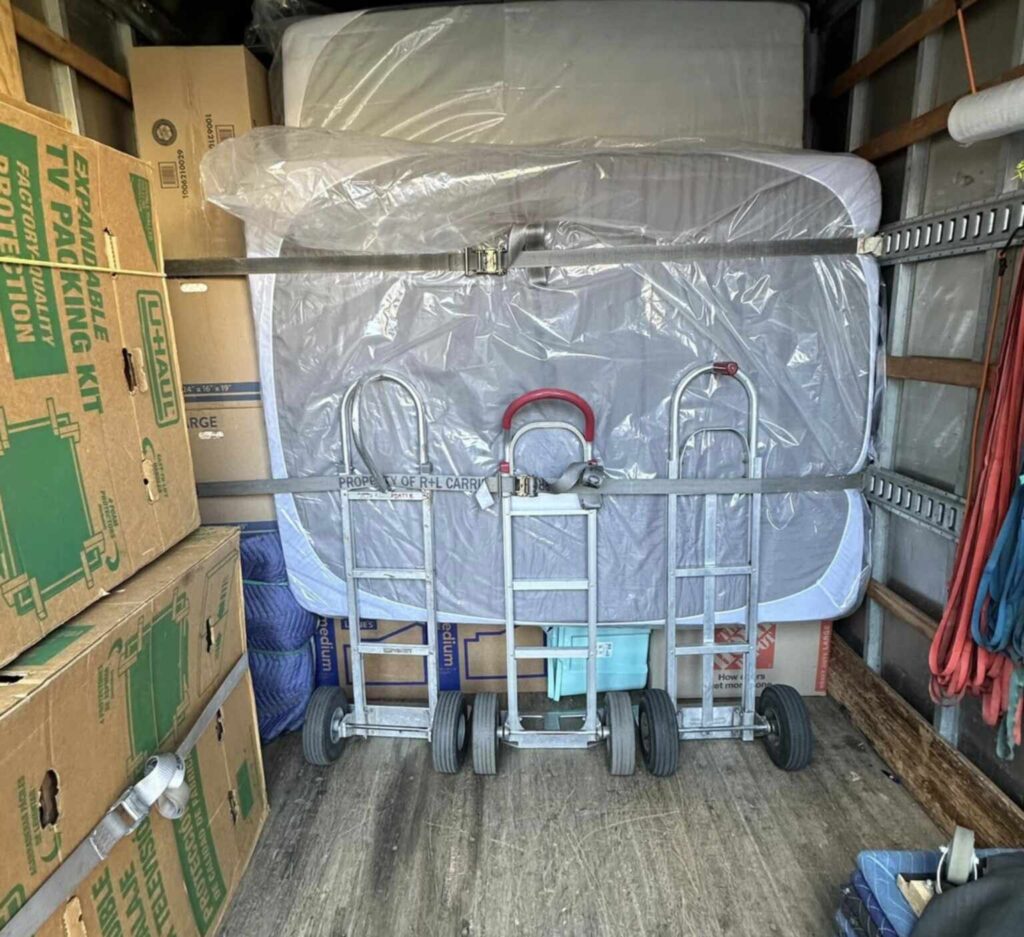
Ask any professional mover, and they will point to the kitchen. This room contains a challenging combination of fragile glassware, awkward appliances, and countless small items. Professional movers often spend eight or more hours packing a kitchen properly.
The challenge extends beyond fragility. Pots, pans, and appliances do not fit neatly into standard boxes. Cast iron cookware adds significant weight. Canned goods pile up quickly. Start packing your kitchen early, ideally three to four weeks before moving day, beginning with items you rarely use.
Garages present their own difficulties due to tools, equipment, and hazardous materials. Bedrooms, while seemingly straightforward, can surprise you with the sheer volume of clothing, personal items, and bedding that accumulates over time.
What Will Packers Not Pack?
Professional movers maintain strict lists of prohibited items for safety and legal reasons. Hazardous materials top the list. Gasoline, propane tanks, paint, aerosol cans, and cleaning products containing corrosive chemicals cannot go on a moving truck. These items pose fire and explosion risks during transport.
Perishable food items also stay behind. Moving trucks lack climate control, meaning frozen foods will spoil and refrigerated items will become unsafe. Plan to consume or donate perishables before your move date. Non-perishables like canned goods and dry pasta typically travel fine.
Valuables and important documents require special handling. Birth certificates, financial records, jewelry, and family heirlooms should travel with you personally rather than on the truck. Even with insurance, some items simply cannot be replaced if lost or damaged.
How to Compare Moving Companies Effectively
Comparing movers requires more than glancing at prices. You need to evaluate licensing, insurance coverage, customer reviews, and service offerings. Get at least three written estimates and request in-home or video surveys for accuracy.
For a detailed breakdown of what to look for, read our guide on How to Compare Moving Companies: A Guide for Pittsburgh Residents. It covers everything from verifying credentials to understanding contract terms.
Making Your Pittsburgh Move a Success
Whether you are relocating across Allegheny County or heading to a new state entirely, preparation makes all the difference. Start by determining whether your move qualifies as local or long-distance. This single factor shapes your entire approach to hiring, budgeting, and scheduling.
For short-distance relocations, look for local companies familiar with Pittsburgh neighborhoods. They understand the logistics of navigating narrow streets in Lawrenceville or managing moves in high-rise buildings downtown. For interstate moves, work exclusively with federally licensed moving companies long distance that can legally transport your belongings across state lines.
Take time to verify credentials, read reviews across multiple platforms, and trust your instincts. If something feels wrong with a quote or company response, move on. Your belongings deserve professional handling, and Pittsburgh has plenty of reputable options available.