
Unpack your bathroom essentials first, then set up the beds, then open one working corner of the kitchen. Those three zones cover hygiene, sleep, and food — the only things your body truly needs in the first twelve hours. Décor, books, and closets can wait a week without consequence.
I have watched people spend move-in evening arranging picture frames while their toothbrush sat buried in a box labeled “misc.” It happens more than you would guess. The order you open boxes shapes how the entire first week feels, and a little sequencing up front saves hours of digging later.
Why the First 24 Hours Set the Tone
Move-in day is physically brutal. You have been lifting, driving, signing paperwork, and answering questions since sunrise, and your judgment gets fuzzy around hour eight. That is exactly when people start opening random boxes hoping to find something useful.
A plan protects you from your own exhaustion. When you know the first four boxes you are opening before the truck even arrives, you stop making decisions and start making progress. Think of it as the closing chapter of your moving checklist rather than a separate project.
What Should You Unpack First After Moving Into a New Home? The Short Answer
Bathroom, beds, kitchen. In that order.
The bathroom wins because it is small, fast, and immediately useful — hang a shower curtain, set out towels, toilet paper, soap, and toothbrushes, and you have a functioning room in fifteen minutes. Beds come next because assembling a frame at midnight is nobody’s idea of a good night. The kitchen rounds out the trio, though on day one you only need coffee supplies, a few plates, and something to eat off of.
Everything after that is optional. Truly.
The Open-First Box Changes Everything
Pack one clearly marked box that rides in your car, not the truck. Mine gets labeled with bright tape and lives in the passenger seat where nobody can bury it. Inside: medications, phone chargers, a roll of paper towels, hand soap, scissors, a box cutter, trash bags, and one full change of clothes per person.
Add a small tool kit if you own one. Bed frames, curtain rods, and TV mounts all require hardware, and hunting for an Allen wrench at 10 p.m. is a special kind of misery. This single box does more for unpacking after moving than any other trick I know.
A Room-by-Room Unpacking Order
Here is the sequence I recommend to almost everyone, adjusted slightly for households with small children or pets.
| Priority | Area | What to Handle | Realistic Timing |
|---|---|---|---|
| 1 | Bathroom | Shower curtain, towels, toiletries, TP, meds | First hour |
| 2 | Bedrooms | Beds assembled, sheets on, lamps plugged in | Day 1 evening |
| 3 | Kitchen | Coffee setup, a few dishes, utensils, trash can | Day 1–2 |
| 4 | Living room | Seating placed, TV or lamps working | Day 2–3 |
| 5 | Closets | Clothing sorted, hangers hung | Day 3–5 |
| 6 | Office / storage | Desk, files, tools, seasonal bins | Week 1–2 |
| 7 | Décor | Art, photos, plants, finishing touches | Week 2–4 |
Pets and kids move up the list. A child’s bed and a familiar box of toys belong in tier two, and a pet’s bowls, bed, and litter box should honestly land in tier one.
What should you move first when moving?
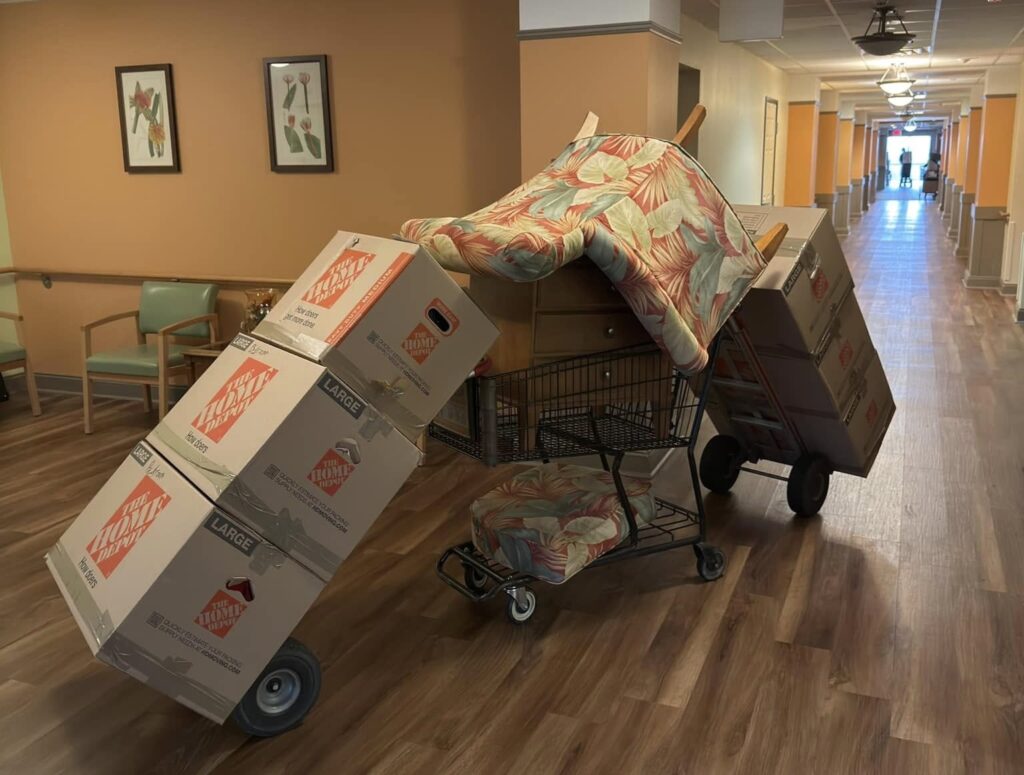
Large furniture goes first — always. Sofas, dressers, mattresses, and appliances need to be placed before the floor fills with cardboard, because you cannot maneuver a bed frame through a maze of boxes.
After furniture, load boxes for rooms you plan to unpack last, since those get buried at the back of the truck. Boxes for the bathroom and bedrooms should be the final items in and the first items out. That single loading decision saves an enormous amount of shuffling on the other end.
What order should you pack everything when moving out?
Pack in reverse order of how much you need something. Start four to six weeks out with the attic, basement, garage, and off-season clothing. Move to books, décor, and spare linens around week three. Bedrooms and living rooms come in the final ten days, and the kitchen gets packed last because you will keep eating right up until the truck arrives.
Label every box with the destination room, not just the contents. “Kitchen — glasses” tells your movers where to set it down; “glasses” tells them nothing. If you are debating containers, this breakdown of Bags or Boxes: Best Way to Pack Clothes for a Move is worth reading before you commit to either.
How long should it take to unpack after a move?
Most households need one to two weeks to reach genuine functionality, and closer to a month to feel finished. A studio or one-bedroom can realistically be done in two or three days. A four-bedroom house with a garage? Give yourself six weeks and stop apologizing for it.
The trap is treating unpacking as a sprint. Professional organizers consistently recommend spreading the work across several days rather than pushing through in one exhausting stretch, and this guide on organizing a new home from Extra Space Storage makes the same case. Two focused hours a night beats one twelve-hour meltdown.
Set a soft deadline anyway. Without one, that stack of boxes in the guest room becomes furniture.
Are movers supposed to unpack your stuff?
Not by default. Standard moving contracts cover loading, transport, and unloading — placing boxes and furniture in the correct rooms. Unpacking is a separate, add-on service that you request and pay for.
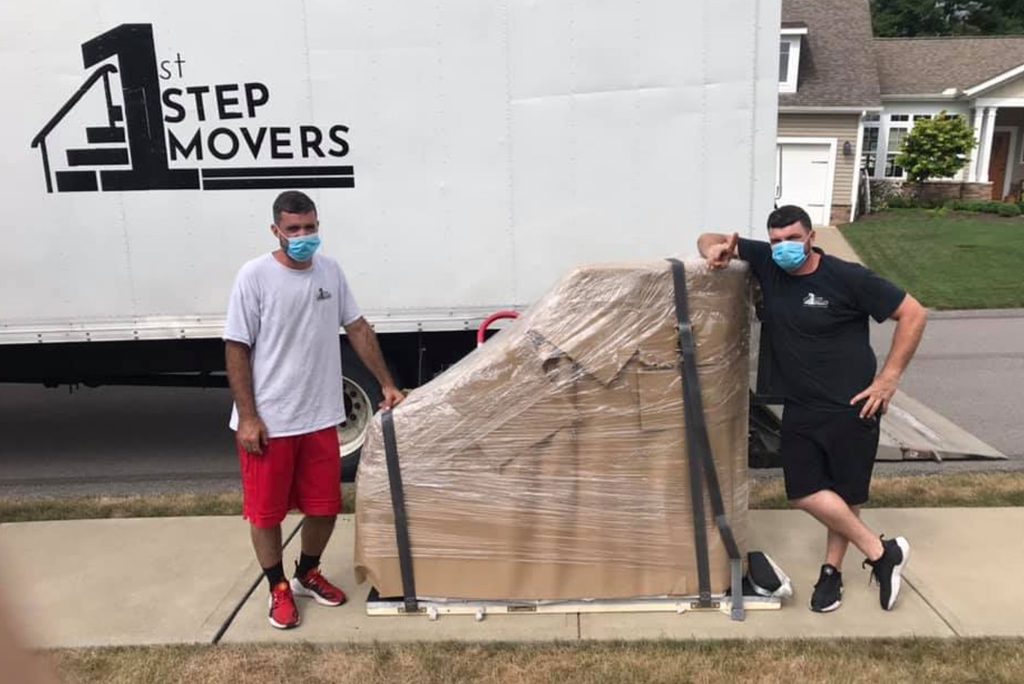
Full-service unpacking does exist and it is genuinely useful for seniors, families with newborns, or anyone relocating on a tight timeline. Crews will open boxes, place items on shelves, and haul away the debris. Most Pittsburgh moving services offer it as an à la carte option, but you need to ask before move day so the crew can schedule the extra hours.
Debris removal is the underrated part. Flattened cardboard multiplies fast, and having someone take it away is worth more than people expect.
Mistakes I See Again and Again
The biggest one is decorating too early. You hang art on day two, then realize the couch belongs on the other wall. Live in the space for a week before you put a nail in anything.
The second is unpacking without a destination. Do not empty a box onto the counter and figure it out later — that just moves clutter from cardboard to countertop. Open a box only when you know where its contents are going. And break down every empty box immediately, or you will lose your walkways by noon.
Small Things That Make a New House Feel Like Home
Once the essentials are handled, a few low-effort moves shift the whole mood. Make the bed properly — not a mattress with a sheet, but the actual bed. Get one lamp working in each main room so you are not living under overhead lighting.
Cook something simple on the first or second night, even if it is pasta. The smell of food does more for the “this is mine now” feeling than any piece of furniture. Then open a window, let some air move through, and call it a day.
You do not need to finish. You just need to start in the right order.