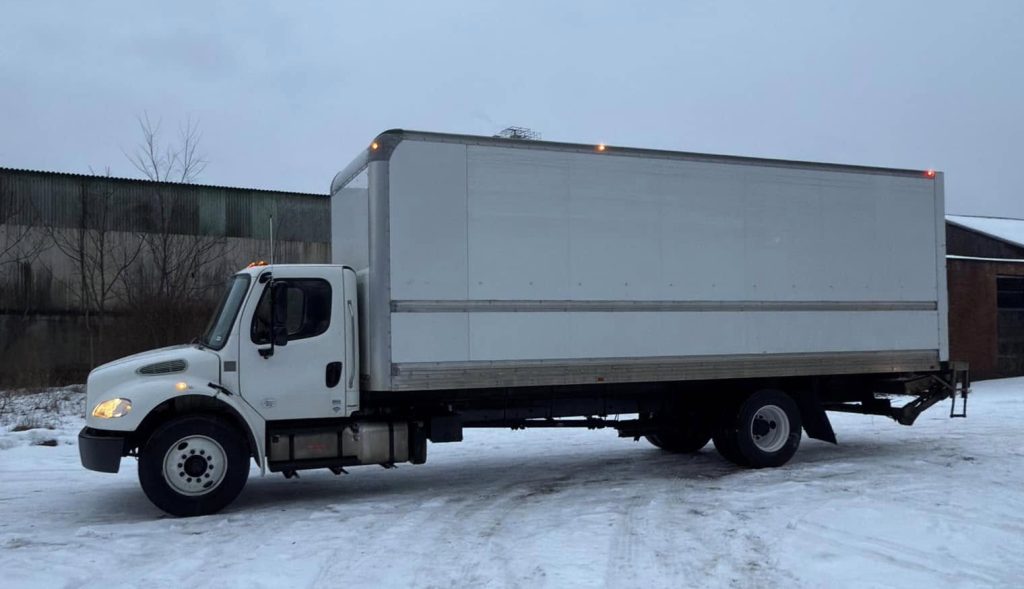
To plan a same-day move between Pittsburgh neighborhoods, book your crew for an early start, secure a city moving permit for both curbs at least a week in advance, finish all packing the night before, and map your route around bridges, hills, and rush hour. Most cross-town moves finish inside eight hours when those four pieces line up.
That last sentence is the part people miss. A move across town looks easy on a map — Bloomfield to Squirrel Hill is barely four miles. But Pittsburgh doesn’t reward optimism. Narrow streets, permit parking zones, third-floor walk-ups, and a bridge closure you didn’t know about can turn a short hop into a twelve-hour day.
Why a Cross-Town Move Here Isn’t Like Anywhere Else
I’ve watched people relocate from Chicago and assume a four-mile move takes two hours. Then they meet a 26-foot truck trying to turn onto a South Side Slopes street built for horse carts. Pittsburgh’s topography is the whole story: 446 bridges, hillsides that double as staircases, and residential blocks where two cars can’t pass each other without someone pulling over.
Add the housing stock. Much of the East End is made up of century-old homes with tight stairwells, narrow doorframes, and landings that force furniture into awkward angles. A sectional that slid easily into a Cranberry ranch may not clear the turn in a Friendship Victorian. Measure before you promise yourself a one-day timeline.
How to Plan a Same-Day Move Between Pittsburgh Neighborhoods in Four Steps
The plan itself is simple. Executing it under pressure is what separates a smooth day from a miserable one.
Step one: get your permits early
This is the single thing you cannot do at the last minute. The City of Pittsburgh’s Department of Mobility and Infrastructure issues moving permits that let you reserve curb space and post no-parking signs, and the department advises allowing roughly a week for review once your application is complete. These permits also can’t be extended or amended after approval.
Apply for both addresses. People remember the new place and forget the old one, then spend forty minutes carrying boxes a block and a half because a neighbor’s sedan is parked where the truck should be. You can review the city’s permitting requirements through the Department of Mobility and Infrastructure’s applicant guidance page before you file.
Step two: scout both curbs in person
Drive to each address at the same hour your truck will arrive. Note where the truck can legally stop, how far that is from the front door, whether there’s a low-hanging tree limb or utility line, and whether the street is one-way. Take photos. Send them to your crew lead the day before so nobody is improvising at 7 a.m.
Step three: build the timeline backward
Decide when you want the truck empty, then work in reverse. A solid same-day moving plan accounts for load time, drive time, and unload time separately — and adds a buffer for the thing that always goes wrong. Elevators need reserving. Condo boards have move-in windows. Some buildings shut down freight access at 5 p.m. sharp.
Step four: finish packing the night before
Not most of it. All of it. Every box taped, labeled by room, and stacked near the door. If your crew arrives and you’re still wrapping dishes, you’ve already lost the morning, and a morning is roughly a third of your day.

Timing Your Day Around Pittsburgh Traffic
Rush hour here is unforgiving in specific corridors. The Parkway East backs up long before you’d expect, the Liberty Bridge and Tunnel create a chokepoint that swallows loaded trucks, and anything routing through Oakland during a UPMC shift change is a gamble. Plan your loaded drive for midday when you can.
Here’s a rough framework I use for a typical two-bedroom crossing the city:
| Time | What’s happening | Watch out for |
|---|---|---|
| 7:00 – 7:30 a.m. | Crew arrives, walkthrough, protection laid down | Blocked curb space; unclear parking signs |
| 7:30 – 11:00 a.m. | Load furniture first, then boxes | Stairwell turns, tight doorframes |
| 11:00 – 11:45 a.m. | Drive and reposition at new address | Bridge and tunnel backups |
| 11:45 – 3:30 p.m. | Unload by room, assemble beds | Elevator reservations, hillside access |
| 3:30 – 4:30 p.m. | Final sweep of old place, walkthrough | Forgotten basement and attic items |
Adjust for your own square footage. A studio in Lawrenceville might wrap by early afternoon. A four-bedroom in Point Breeze headed to Mount Lebanon needs a larger crew, not a longer day.
Neighborhood Quirks Worth Planning Around
Every part of this city has its own personality on move day. Squirrel Hill and Shadyside have permit parking zones that fill fast and enforcement that doesn’t take the day off. Lawrenceville’s Butler Street corridor is a mix of commercial loading and residential parking that turns competitive by mid-morning.
The Slopes, Mount Washington, and parts of Beechview involve grades that make ramp work genuinely dangerous with heavy pieces. Downtown and Strip District buildings often require certificates of insurance from your moving company, filed days in advance. Ask your building manager what they need before you’re standing in the lobby arguing about it.
August and September bring a second layer of difficulty. Student turnover around Oakland and North Oakland floods the streets with trucks, and finding curb space in that window takes real strategy. If your timing is flexible, mid-month beats the first and last week of any month.
Should You Hire Help or Do It Yourself?
A do-it-yourself local move Pittsburgh residents attempt with friends and a rented truck can work for a small apartment on a flat street. It stops working the moment stairs, hillsides, or heavy furniture enter the picture. Professional Pittsburgh movers bring stair-climbing equipment, proper padding, and the experience to read a tight turn before they’re stuck in it.
There’s also a liability question people underestimate. If a friend drops your dresser on their foot, that’s a conversation nobody wants. If you’re weighing what kind of service actually fits your situation, Local vs. Long-Distance Movers: What Pittsburgh Homeowners Need to Know breaks down the differences in pricing structure and coverage.
Mistakes I See Every Single Season
The first is underestimating volume. People look at a room and see six boxes. It’s eleven. Overestimate, and you’ll finish early instead of scrambling for a second trip.
The second is skipping the first-night box. Sheets, towels, phone chargers, toilet paper, medication, coffee, a box cutter — one clearly marked container that rides in your car, not the truck. At 9 p.m. in an unfamiliar house, that box is worth more than everything else you packed.
The third is forgetting utilities. Schedule the transfer for the day before, not move day, so you’re not unloading by phone flashlight. Same goes for internet if you work from home.
Putting It Together
A same-day move across Pittsburgh is absolutely doable. It just requires you to front-load the thinking. Permits filed a week out, curbs scouted, boxes sealed the night before, a route that dodges the worst chokepoints.
Do that work, and move day becomes a long day of lifting instead of a chaotic one of problem-solving. Skip it, and the city will find every gap in your plan. Pittsburgh is a wonderful place to live and a stubborn place to move — plan accordingly, and you’ll be unpacking by dinner.