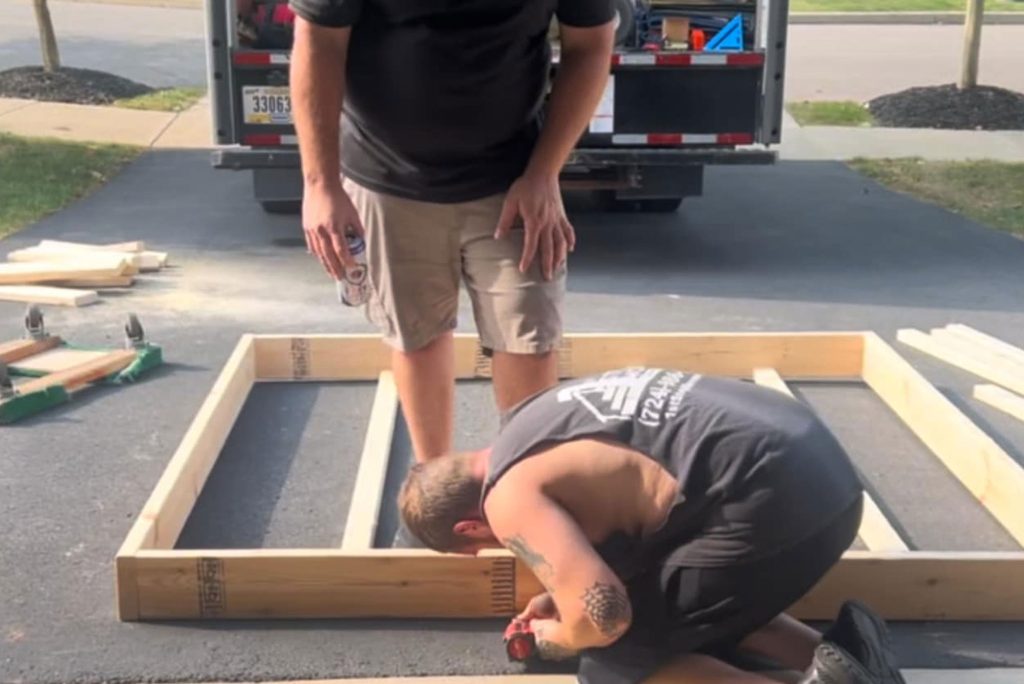

Moving is one of those experiences that sounds exciting in theory but gets real expensive, real fast. I have been through it myself. You start tallying up boxes, truck rentals, and gas, and suddenly you are staring at a bill that makes you wonder if you should just leave everything behind. The good news? With a bit of planning, finding affordable moving options is more realistic than most people think.
What Is the Most Inexpensive Way to Move?
Hands down, a full DIY move is the least expensive route. That means loading your belongings into your own vehicle or a rented truck, driving it yourself, and handling the packing without professional help. For local moves, renting a truck from a company like Budget or Penske can cost a few hundred dollars. Long-distance rentals typically run between $1,500 and $3,000 depending on the route and truck size.
If you have a vehicle with towing capacity, renting a cargo trailer is even cheaper. Trailer rentals for cross-country moves often land between $200 and $600. You attach it to your car, load it up, and go. It works best for smaller households or anyone who has already trimmed down their belongings.
The Most Affordable Ways to Move Using Containers and Freight
Not everyone wants to drive a 26-foot truck across the country. Moving containers offer a middle ground. Companies like U-Pack drop a container at your door, you pack and load it on your schedule, and they handle the driving. You only pay for the space you use.
Freight trailers work similarly but are better suited for larger moves. You load your portion of a shared trailer, and the company transports it alongside other shipments headed in the same direction. Pricing is based on linear feet, so the less space you take up, the less you pay. For families moving three or more bedrooms worth of stuff, this can be a smart cheapest way to move without the stress of driving.
How to Relocate With Little to No Money
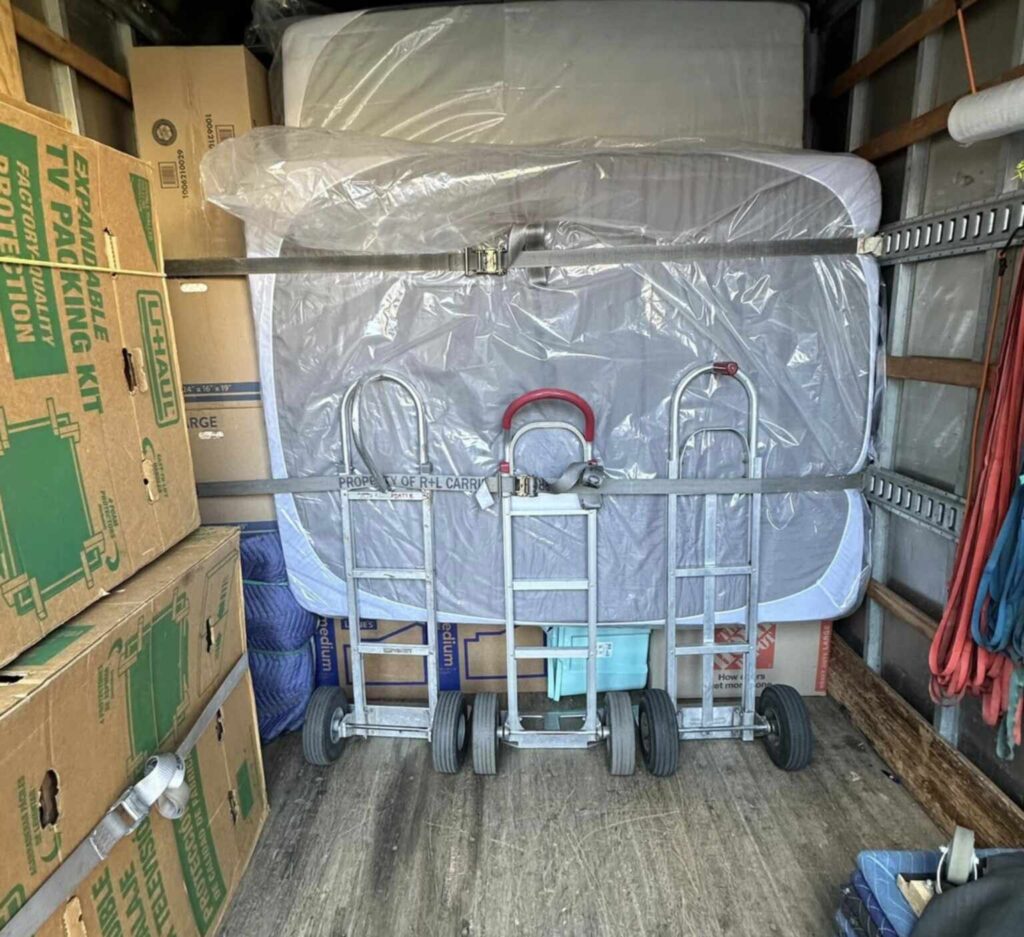
This one requires creativity, but it is absolutely possible. Start by selling anything you do not need. Furniture, electronics, clothes you have not worn in a year. Use Facebook Marketplace or Craigslist to turn clutter into cash. That money goes directly toward your moving fund.
Next, gather free packing materials. Grocery stores, liquor stores, and bookstores usually have boxes they are happy to give away. Ask around on Nextdoor or local community groups. Finally, recruit friends or family to help with loading. A few hours of help can save you hundreds compared to hiring labor.
Comparing Moving Methods at a Glance
| Moving Method | Estimated Cost (Cross-Country) | You Drive? | Best For |
|---|---|---|---|
| DIY Truck Rental | $1,500 – $3,000 | Yes | Budget-conscious movers with help |
| Cargo Trailer Rental | $200 – $600 | Yes | Small apartments, minimal items |
| Moving Container | $2,000 – $5,000 | No | Mid-size homes, flexible timelines |
| Freight Trailer | $1,800 – $4,500 | No | Larger households on a budget |
| Full-Service Movers | $5,000 – $10,000+ | No | Families wanting convenience |
What Is the Cheapest Way to Move From Virginia to Texas?
Virginia to Texas is roughly 1,200 to 1,500 miles depending on your exact cities, so this qualifies as a serious long-distance move. A DIY truck rental for this route typically costs between $1,800 and $2,800. Add in gas, which averages $400 to $700 for a large truck getting about 8 miles per gallon, plus a night or two of lodging.
If driving a truck is not appealing, a moving container or freight trailer can handle this distance for $2,500 to $4,000. The key to keeping costs low on this route is timing. Moving in January or February instead of June can shave hundreds off the price.
Is $5,000 Enough to Move Cross Country?
In most cases, yes. Most cross-country moves using a rental truck or container fall between $1,500 and $5,000 for a two- to three-bedroom household. That leaves room for gas, insurance, food on the road, and a small cushion for surprises. If you handle packing and loading yourself, you will likely come in well under that number.
Where it gets tight is if you have a large home, specialty items like a piano, or you need temporary storage. Those extras add up quickly. Before committing to a number, I always recommend learning about What Are the Hidden Costs of Moving? so you are not blindsided by fees you did not plan for. A realistic budget accounts for everything, not just the headline price.
Budget-Friendly Tips to Cut Your Moving Costs
Declutter Before You Pack
This is the single most effective way to save money. Every item you eliminate reduces weight, volume, and the size of the truck or container you need. Be honest with yourself about what you actually use. If it has been sitting in a closet for two years, let it go. Sell what has value. Donate the rest.
Move During Off-Peak Times
Summer weekends are the most expensive time to move. Rates drop significantly if you schedule your move for a weekday in the middle of the month, or better yet, during the winter. January through March tends to be the sweet spot for the lowest prices. Even shifting your move by a week or two can make a noticeable difference in what you pay.
Pack Everything Yourself
Professional packing services are convenient, but they come at a premium. Doing it yourself is one of the easiest budget-friendly moving tips you can follow. Use towels and blankets to wrap fragile items instead of buying bubble wrap. Label everything clearly so unpacking does not become its own headache.
The Most Affordable Ways to Move With Hired Labor
You do not have to choose between doing everything solo and paying for full-service movers. Hiring moving labor for just the loading and unloading is a practical middle ground. Most labor-only services charge by the hour, and two to three hours is usually enough for a standard apartment. You handle the driving and packing, but your back stays intact.
This approach is especially helpful for heavy items like sofas and appliances. For anyone exploring the cheapest way to move, labor-only services deserve a spot on your shortlist.

How to Protect Your Budget From Surprise Fees
Hidden costs are the silent budget killer of any move. Fuel surcharges, long-carry fees, stair charges, and last-minute storage needs can inflate your final bill. The best defense is asking detailed questions upfront and getting everything in writing.
Insurance is another area people overlook. Basic carrier liability only covers about $0.60 per pound per item, meaning a 50-pound television would be valued at just $30. Full-value protection costs more but actually reflects what your belongings are worth. According to ConsumerAffairs, planning for these expenses early is one of the best ways to keep your move on track.
Final Thoughts on Affordable Moving Options
Moving does not have to drain your savings. Whether you rent a truck, use a container, or hire labor for the heavy lifting, there are affordable moving options at every price point. The real savings come from planning early, decluttering aggressively, timing your move strategically, and knowing exactly where your money is going.
I have found that the people who move on a budget successfully are the ones who make informed choices. Compare quotes. Read the fine print. A little sweat equity on packing day can save you thousands. Your wallet will thank you on the other side.