
The easiest way to move into a Pittsburgh apartment is to plan around your building’s rules, book your elevator and parking early, measure tight spaces before moving day, pack for a smaller footprint, and hire experienced apartment movers Pittsburgh residents rely on to handle stairs, narrow hallways, and hilly streets safely and efficiently.
Apartment moves come with challenges that a typical house move doesn’t have. You may be dealing with shared hallways, reserved elevator windows, a building manager’s insurance requirements, and a street where parking a moving truck takes real planning. Add Pittsburgh’s steep grades, older walk-up buildings, and unpredictable Western Pennsylvania weather, and a little preparation goes a long way. Working with a team that offers dedicated apartment and residential moving services can take much of that pressure off, but there’s still plenty you can do ahead of time to make the day go smoothly.
Why Are Pittsburgh Apartment Moves Different?
Pittsburgh’s housing stock is a big part of what makes apartment moves here unique. Many apartments in neighborhoods like Shadyside, Bloomfield, Lawrenceville, and Squirrel Hill are located in older homes that have been converted into multiple units. These buildings often have narrow staircases, tight turns at landings, and doorways that were never designed with modern sofas in mind. Newer high-rise and mid-rise buildings Downtown, on the North Shore, and in the Strip District are easier in some ways, but they usually come with strict move-in rules and scheduled elevator time.
The city’s geography adds another layer. Steep streets, limited curb space, and one-way roads can make it difficult to park a truck close to the entrance. In some neighborhoods, the walk from the truck to the front door is just as challenging as the stairs inside. Understanding these factors early helps you plan realistically and avoid surprises on moving day.
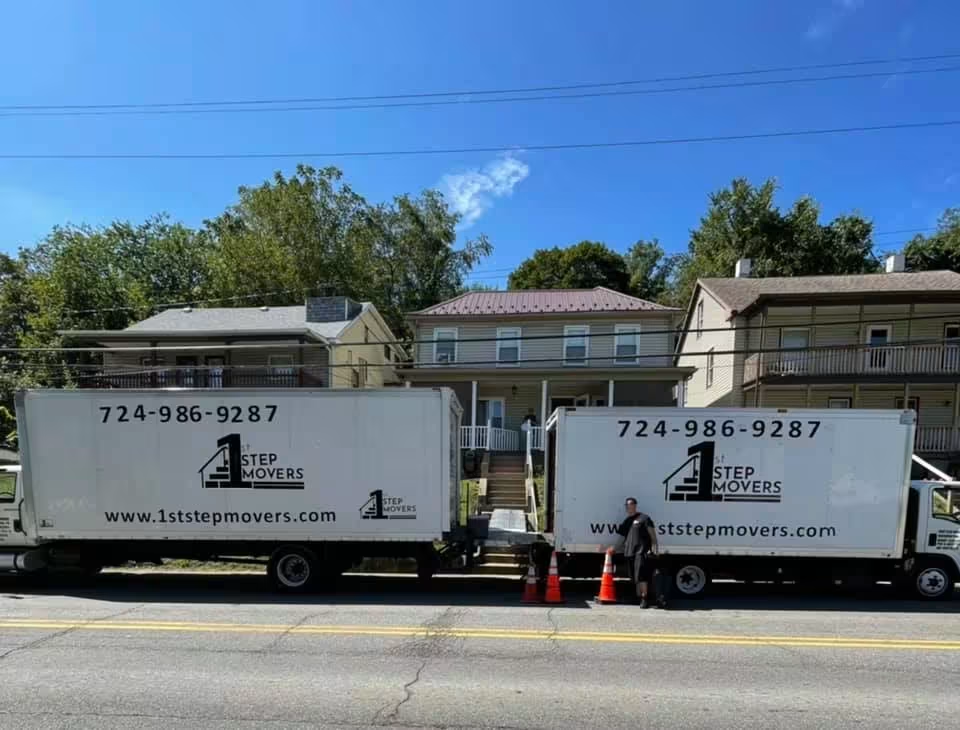
Start With Your Building’s Move-In Rules
Before you pack a single box, contact your property manager or landlord and ask for the building’s move-in policies in writing. Many apartment buildings require movers to provide a certificate of insurance before they’ll allow them on the property. Others restrict moves to certain days or hours, require you to reserve a freight elevator, or ask you to put down floor and wall protection in common areas.
Questions to Ask Your Property Manager
Ask whether you need to reserve the elevator and for how long, which entrance or loading area movers should use, and whether there are quiet hours or weekend restrictions. Find out if the building requires a certificate of insurance and, if so, what information it needs to include. It also helps to ask where trucks can safely park and whether you’ll need a key fob or access code for movers on the day of the move. Getting these answers early gives your moving company everything it needs to plan the job correctly.
How Far Ahead Should You Book Apartment Movers in Pittsburgh?
Timing matters more than many people expect. Pittsburgh sees heavy apartment turnover at the start and end of the month, when most leases begin and end. Late summer is especially busy in and around Oakland, when university students move in and out of apartments in large numbers. Weekends throughout the warmer months also fill up quickly.
As a general rule, the earlier you reach out to apartment movers, the more flexibility you’ll have with dates and times. If your lease dates allow it, consider moving mid-week or mid-month when demand is lower. Booking early also gives you time to coordinate the moving date with your elevator reservation and parking arrangements, which often need to line up perfectly.
Plan for Parking, Hills, and Narrow Streets
Parking is one of the most common sources of moving-day delays in Pittsburgh. A truck that has to park a block away or halfway down a steep hill turns a quick carry into a much longer process. Check with the City of Pittsburgh about the process for reserving temporary no-parking space in front of your building, and start that process well before your move date, since it typically isn’t something that can be arranged at the last minute.
Think About Weather and Seasonal Conditions
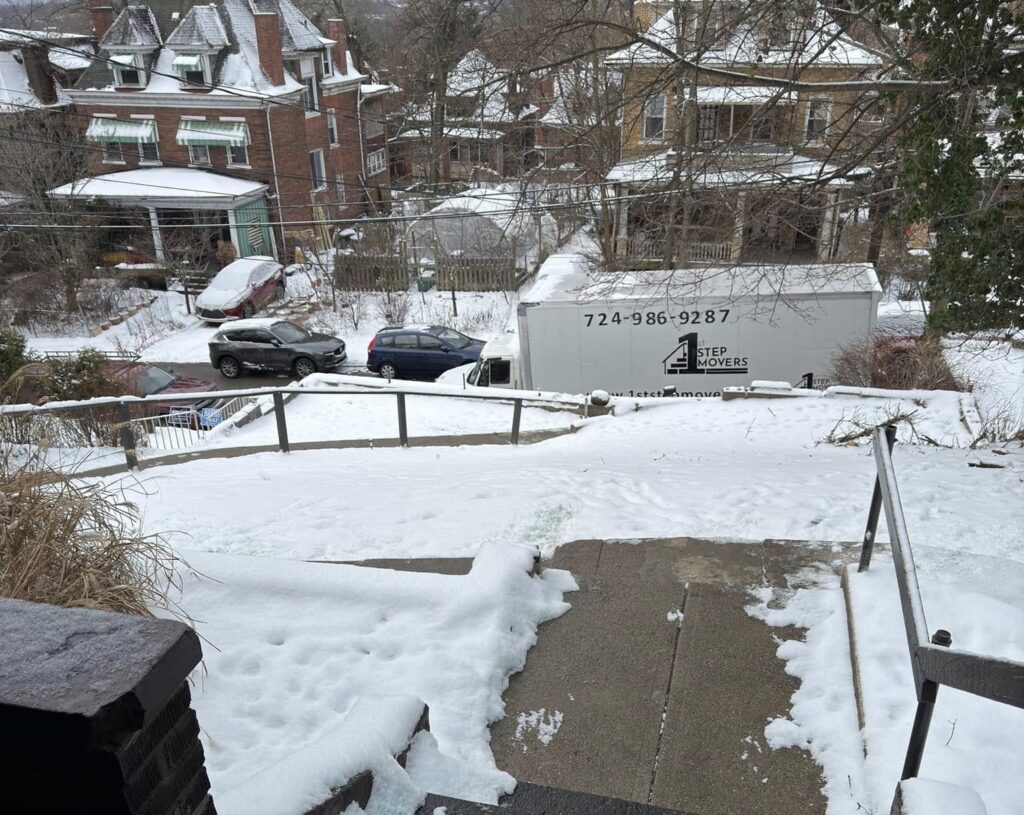
Western Pennsylvania weather can change quickly, and it affects moving day more than people realize. Winter moves can mean icy sidewalks, slick exterior stairs, and snow piled along the curb where a truck needs to park. Spring and fall bring frequent rain, which can make steep walkways and porch steps slippery. If you’re moving during colder months, make sure walkways and steps are cleared and salted, and keep floor protection ready to prevent slush and water from being tracked through the building. Plan a little extra time into your schedule so nobody feels rushed on slick surfaces.
Measure Before Moving Day
One of the simplest ways to avoid moving-day frustration is to measure your new apartment before you arrive. Measure doorways, stairwell widths, landing turns, and elevator dimensions, including the elevator door opening and interior height. Then compare those numbers to your largest furniture pieces, like sofas, mattresses, box springs, dressers, and desks.
If something won’t fit, it’s far better to find out now than when the piece is stuck on a second-floor landing. Some furniture can be disassembled, with legs removed or sections separated, while other items may be better sold or donated before the move. Let your movers know about any oversized or awkward pieces in advance so they can bring the right tools and plan the safest route through the building.
Pack and Label With a Smaller Space in Mind
Moving into an apartment is often a good opportunity to downsize. Go room by room and decide what you truly need in the new space, especially if you’re moving from a house or a larger unit. Fewer items mean fewer trips up the stairs, a faster move, and a less cluttered new home.
Smart Packing Tips for Apartment Moves
Use smaller boxes for heavy items like books and kitchenware so they’re manageable on stairs. Label each box with the room it belongs in and a short description of its contents, which helps movers place everything correctly the first time. Pack a separate essentials bag with chargers, medications, toiletries, important documents, basic tools, and a change of clothes so you aren’t digging through boxes on your first night. For a helpful checklist of details people tend to overlook, read our guide on things people forget when moving in Pittsburgh and how to prepare.
What Affects the Cost of Hiring Apartment Movers?
Every apartment move is different, so the cost depends on the details of your specific situation. The amount of furniture and boxes you have is a major factor, along with the number of flights of stairs at both the old and new locations. Long carries from the truck to the door, elevator wait times, and tight building access can all add time to a job.
Other factors include the distance between locations, the day and time of your move, and whether you need extra services such as packing, furniture disassembly and reassembly, or protection for fragile items. Being well prepared, with boxes packed, elevators reserved, and parking arranged, helps your move go faster and more efficiently. When requesting a quote, share as much detail as you can so your movers can give you an accurate picture of what to expect.
Frequently Asked Questions About Apartment Moves in Pittsburgh
Do movers need a certificate of insurance for my apartment building?
Many Pittsburgh apartment buildings, especially larger and newer properties, require one. Ask your property manager what the certificate needs to include and share that information with your moving company well ahead of moving day.
Can movers handle walk-up apartments with no elevator?
Yes. Experienced apartment movers are used to carrying furniture up and down narrow staircases in older buildings. Let them know the number of flights and any tight turns in advance so they can plan the job and bring the right equipment.
What’s the best time of year to move into a Pittsburgh apartment?
Mid-month and mid-week moves are often easier to schedule because demand is lower. Late spring and early fall usually offer milder weather, while late summer tends to be busy due to student move-ins.
Should I disassemble furniture before the movers arrive?
You can, but it isn’t always necessary. Many moving companies offer disassembly and reassembly as part of their services. If you take items apart yourself, keep all hardware in labeled bags taped to the furniture.
Ready to Make Your Pittsburgh Apartment Move Easier?
Moving into a new apartment doesn’t have to mean a stressful day of tight stairwells, parking headaches, and last-minute surprises. With the right planning and an experienced crew that understands Pittsburgh’s buildings, streets, and weather, your move can be smooth from start to finish. 1st Step Movers knows how to navigate the walk-ups, high-rises, and hillside streets that make moving in this city unique.
If you’re getting ready to move, take a look at our full range of Pittsburgh moving services and reach out to the 1st Step Movers team today. We’ll help you plan the details, answer your questions, and get you settled into your new apartment with as little stress as possible.